
How to Clean Windows Without Leaving Streaks (Advanced Techniques)
 Revised by Bruce Hulse
Cleaning windows without leaving streaks is often more challenging than it appears. Even after careful effort, many homeowners notice marks, smudges, or uneven drying patterns that reduce clarity. Achieving a spotless finish requires more than basic cleaning; it depends on technique, timing, and the right tools.
By understanding professional methods and applying advanced strategies, it becomes possible to obtain consistently clear, streak-free windows. This guide presents practical and proven techniques used by experienced cleaners to improve results and avoid common mistakes.
Understanding Why Streaks Appear
Before improving technique, it is important to understand the root causes of streaking. Many issues arise not from the cleaning itself, but from what is left behind after the process.
Residue from cleaning products is one of the most common factors. Some soaps or sprays leave a thin film that becomes visible once the glass dries. In addition, hard water containing minerals like calcium and magnesium can leave marks when it evaporates.
Environmental conditions also play a role. Cleaning windows under direct sunlight often causes water or solution to dry too quickly, leaving streaks behind before they can be properly wiped away.
Common causes of streaks
Several recurring issues explain most streak problems. Understanding each one helps prevent mistakes and improves overall results.
- Using too much cleaning solution
Applying excessive solution can leave behind residue that is difficult to remove. A moderate and controlled amount ensures better absorption and easier drying. - Washing windows in direct sunlight
Sunlight accelerates evaporation, causing cleaning solution to dry before it can be properly removed. This leads to streaks and uneven finishes. - Relying on low-quality cloths or paper towels
Poor-quality materials can leave lint or fail to absorb moisture effectively, which reduces clarity and creates visible marks. - Not drying edges and corners properly
Water tends to accumulate in edges and corners. If not dried quickly, it can spread and create streaks across the glass. - Reusing dirty water or tools
Dirty water reintroduces contaminants onto the surface, making it harder to achieve a clean finish. - Applying inconsistent pressure when wiping
Uneven pressure can cause irregular drying patterns, leading to visible streaks and missed areas.
Recognizing these factors helps prevent them and sets the foundation for better results.
Choosing the Right Tools for a Streak-Free Finish
The tools used during cleaning have a direct impact on the final appearance of the glass. High-quality equipment ensures better control and more consistent drying.
Professional cleaners rely on specific tools designed to minimize residue and maximize clarity. Using the right tools also reduces effort and improves efficiency.
Essential tools for advanced cleaning
Using the right combination of tools allows for more precise and efficient work.
- Microfiber cloths for absorbing water and polishing glass
Microfiber materials are highly absorbent and do not leave lint behind. This makes them ideal for both cleaning and finishing. - A professional-grade squeegee with a sharp rubber blade
A high-quality squeegee ensures even water removal and prevents streaks. The rubber blade should be maintained regularly for optimal performance. - A bucket with clean water or solution
Clean water ensures that no additional residue is introduced during the cleaning process. - A scraper for removing stubborn debris when necessary
Scrapers help remove tough buildup such as paint or dried residue without damaging the glass when used correctly. - Lint-free drying cloths for finishing touches
These cloths are used to remove any remaining moisture and ensure a polished final result.
These tools work together to remove dirt while preventing new marks from forming.
Mastering the Cleaning Technique
Technique is the most important factor in achieving streak-free windows. Even with the best tools, improper movement or inconsistent pressure can leave visible marks.
A structured and methodical approach ensures that all areas are cleaned evenly and efficiently.
Step-by-step advanced method
Following a consistent process helps reduce errors and improves results.
- Start by removing dust or loose debris from the glass
This prevents scratching and ensures that cleaning solution works effectively on the surface. - Apply a moderate amount of cleaning solution evenly
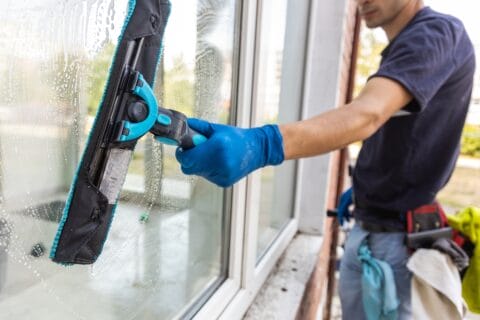
Even distribution helps break down dirt without creating excess residue. - Use a squeegee in smooth, controlled strokes
Consistent strokes ensure even water removal and reduce streaking. - Wipe the blade after each pass
Cleaning the blade prevents dirt from being transferred back onto the glass. - Dry the edges immediately with a clean microfiber cloth
This step prevents water from spreading and forming streaks. - Finish with a light polishing motion
Final polishing removes any remaining moisture and enhances clarity.
This method reduces residue buildup and ensures a uniform finish.
The Importance of Water Quality
Water quality plays a critical role in window cleaning, especially when aiming for a streak-free result. Tap water often contains minerals that remain on the glass after evaporation.
Using purified or distilled water significantly improves results by eliminating these minerals.
Benefits of purified water
Better water quality improves both cleaning performance and final appearance.
- Prevents mineral deposits on glass
Without minerals, there are no deposits left behind after drying. - Reduces the need for additional polishing
Cleaner water means fewer finishing steps are required. - Leaves a clearer, more uniform finish
The absence of residue results in consistent clarity across the entire surface. - Minimizes spotting, especially on large surfaces
This is particularly important for exterior windows exposed to sunlight.
This approach is widely used in professional cleaning for reliable results.
Timing and Environmental Conditions
Even with proper technique and tools, environmental conditions can affect the outcome. Temperature, sunlight, and airflow all influence drying speed.
Cleaning during optimal conditions improves control and reduces the risk of streaking.
Ideal conditions for cleaning
Adapting to the environment helps maintain consistent results.
- Avoid direct sunlight on the glass
This prevents rapid drying and allows more time to clean effectively. - Work in mild temperatures when possible
Moderate conditions provide better control over the cleaning process. - Clean one section at a time
Focusing on smaller areas ensures consistent results. - Protect the surface from strong wind
Wind can cause uneven drying and introduce dust onto the surface.
These adjustments help improve efficiency and overall quality.
Advanced Drying Techniques
Drying is one of the most critical steps in preventing streaks. Even small amounts of leftover moisture can affect the final result.
Professional techniques focus on removing all moisture quickly and evenly.
Effective drying methods
Using proper drying techniques ensures a flawless finish.
- Use a dry microfiber cloth to wipe edges and corners immediately
This prevents water from spreading across the glass. - Follow squeegee strokes with quick detailing passes
This removes any remaining moisture left behind. - Avoid circular motions that can spread residue
Straight movements provide better control and reduce streaks. - Inspect the glass from different angles
This helps identify and correct any missed spots.
Careful drying enhances clarity and ensures no streaks remain visible.
Maintaining Consistent Results Over Time
Achieving streak-free windows once is possible, but maintaining that level requires consistency. Regular cleaning prevents buildup and simplifies future maintenance.
Developing good habits ensures long-term results.
Long-term maintenance tips
A structured routine helps maintain clarity and efficiency.
- Clean windows regularly to prevent buildup
Frequent cleaning reduces the effort required each time. - Store tools properly to keep them in good condition
Well-maintained tools perform better and last longer. - Replace worn squeegee blades when needed
A damaged blade can cause streaks and uneven results. - Wash microfiber cloths after each use
Clean cloths prevent residue from being transferred back onto the glass.
These practices ensure consistent, high-quality results over time.
Comparison of Cleaning Factors
To better understand how different elements affect results, the following table summarizes key factors.
| Factor | Poor Practice | Professional Practice |
|---|---|---|
| Cleaning solution | Excessive use | Controlled application |
| Water quality | Tap water with minerals | Purified or distilled water |
| Drying method | Air drying or poor wiping | Structured squeegee + detailing |
| Tools | Low-quality materials | Professional-grade tools |
| Conditions | Direct sunlight | Controlled environment |
This comparison highlights how small adjustments can significantly improve results.
Clear Ottawa Windows: Reliable Window Cleaning Services in Ottawa
Clear Ottawa Windows offers dependable window and eavestrough cleaning services tailored to both residential and commercial properties. Their team uses proven techniques and specialized equipment to deliver clear, streak-free results while protecting the integrity of each surface.
With trained and experienced technicians, every project is handled with precision and care. Their structured approach ensures consistent quality, whether for routine maintenance or more demanding cleaning tasks.
For those looking to simplify maintenance and achieve professional results, working with experienced specialists provides a reliable and efficient solution.
Conclusion
Achieving streak-free windows requires more than basic cleaning. It involves understanding the causes of streaks, selecting the right tools, and applying precise techniques.
Factors such as water quality, environmental conditions, and drying methods all contribute to the final result. By following advanced strategies and maintaining consistent practices, it becomes possible to achieve clear, spotless windows over time.
For those seeking reliable and efficient results without the effort, professional services remain a practical and effective option.
Bruce Adam Hulse


Bruce Adam Hulse is the passionate and driven CEO of Clear Ottawa Windows, a leading exterior cleaning and gutter maintenance company serving residential and commercial clients throughout the Ottawa region.
Pure water window cleaning has become an increasingly popular method for achieving spotless, streak-free glass, especially for exterior surfaces.…

Window cleaning methods have evolved significantly over time, offering different approaches depending on the type of building, accessibility, and…
