
Squeegee vs Microfiber: Which Method Works Best?
 Revised by Bruce Hulse
Achieving perfectly clean windows often comes down to the tools and methods used during the process. Among the most common approaches, the use of a squeegee and microfiber cloths stands out as two highly effective techniques. Each method offers specific advantages, but their performance can vary depending on the situation, surface size, and user experience.
Understanding how they differ helps determine which one delivers the best results. While both methods can produce clear glass, their efficiency, precision, and ease of use depend on how they are applied and combined.
This article explores both methods in detail to help identify the most efficient and reliable approach for streak-free windows.
Understanding the Squeegee Method
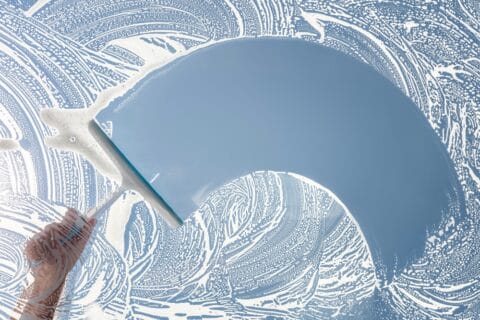
The squeegee is a widely used tool in professional window cleaning. It consists of a handle and a rubber blade designed to remove water and cleaning solution in a single motion.
This method is particularly effective for achieving uniform results across large glass surfaces. By removing liquid evenly, it minimizes the chances of residue being left behind and reduces the need for additional polishing.
Another important advantage of the squeegee is its consistency. When used correctly, it allows for repeatable results across multiple windows, making it ideal for large-scale cleaning tasks.
Advantages of using a squeegee
The squeegee method offers several important benefits when used correctly. Each advantage contributes to both efficiency and final clarity.
Provides a smooth, streak-free finish across wide areas
The rubber blade removes water evenly, preventing the formation of streaks and ensuring a consistent finish across the entire surface. This makes it particularly effective for large glass panels where uniformity is essential.
Reduces the need for repeated wiping
Because most of the liquid is removed in a single pass, there is less need for additional cleaning steps. This reduces effort and improves overall efficiency.
Speeds up the cleaning process significantly
This method allows large surfaces to be cleaned quickly, making it ideal for exterior windows and commercial properties where time efficiency is important.
Limits residue by removing water completely
By eliminating excess moisture, the risk of residue being left behind is greatly reduced. This contributes to a clearer and more professional finish.
Works well with professional cleaning solutions
The squeegee is highly compatible with various cleaning products, enhancing overall effectiveness and improving cleaning performance.
These advantages make it the preferred choice for exterior windows and large panes where efficiency and consistency are essential.
Limitations of the squeegee method
Despite its effectiveness, the squeegee requires proper handling to avoid marks. Without the right technique, results may vary.
- Requires practice to maintain consistent pressure
Uneven pressure can lead to streaks or missed areas, especially for beginners. - Can leave lines if the blade is not cleaned regularly
Dirt buildup on the blade can transfer onto the glass, creating visible lines. - Less effective in tight corners and edges
The shape of the tool makes it difficult to reach small or detailed areas. - Needs additional cloth work for finishing touches
Edges and corners often require microfiber detailing after squeegee use.
These limitations highlight the importance of combining techniques for optimal results.
Understanding the Microfiber Method
Microfiber cloths are commonly used for cleaning and polishing glass surfaces. They are designed to trap dirt and absorb moisture without leaving lint behind.
This method is often favored for interior windows and smaller surfaces where precision is more important than speed. It allows for greater control, especially in delicate or detailed areas.
Microfiber is also highly versatile, making it suitable for both cleaning and finishing tasks. Its flexibility allows it to adapt to different shapes and surfaces.
Advantages of microfiber cloths
Microfiber offers flexibility and ease of use, especially for detailed work. Each benefit contributes to improved control and precision.
Excellent for cleaning edges and corners
The soft and flexible material allows easy access to tight spaces that are difficult to reach with larger tools. This ensures that no areas are left untreated.
Easy to control without specialized training
Unlike a squeegee, microfiber cloths are simple to use and require minimal technique. This makes them accessible for both beginners and experienced users.
Absorbs water efficiently
The fibers are designed to trap moisture effectively, reducing the risk of streaks and improving drying performance.
Ideal for touch-ups and polishing
Microfiber is perfect for final detailing and removing any remaining marks. It helps achieve a polished and refined finish.
Suitable for delicate or smaller glass surfaces
It provides a gentle cleaning approach that reduces the risk of damage, making it ideal for sensitive surfaces and smaller areas.
These qualities make microfiber a reliable tool for finishing work and detailed cleaning.
Limitations of microfiber cloths
While effective, microfiber cloths can present some drawbacks, particularly when used on larger surfaces.
- Slower for large window areas
Cleaning large surfaces with cloths alone requires more time and effort. - Can spread residue if overused or dirty
A dirty cloth can redistribute dirt instead of removing it, reducing effectiveness. - Requires frequent rinsing or replacement
To maintain performance, cloths must be cleaned regularly during use. - May leave streaks if too much product is used
Excess cleaning solution can lead to uneven drying and visible marks.
These limitations become more noticeable in large-scale or exterior cleaning situations.
Comparing Both Methods
Choosing between a squeegee and microfiber depends on the context. Each method performs differently depending on surface size, cleaning conditions, and desired efficiency.
In many cases, the best results come from understanding how each tool performs and using them accordingly.
Comparison table
| Criteria | Squeegee | Microfiber Cloth |
|---|---|---|
| Best for | Large windows | Small or detailed areas |
| Speed | Fast | Moderate |
| Ease of use | Requires technique | Beginner-friendly |
| Streak risk | Low if used correctly | Moderate if overused |
| Finishing work | Requires additional detailing | Excellent for finishing |
This comparison shows that neither method is universally superior. Instead, their effectiveness depends on how and where they are used.
Why Professionals Combine Both Techniques
Experienced window cleaners rarely rely on just one method. Instead, they combine the strengths of both tools to achieve optimal results.
Using a squeegee for the main cleaning phase ensures efficiency and uniformity, while microfiber cloths handle precision work and final detailing.
Typical professional workflow
A combined approach ensures both speed and precision.
- Apply cleaning solution evenly across the surface
Even coverage helps break down dirt and prepares the surface for efficient cleaning. - Use a squeegee to remove the majority of the liquid
This step ensures fast and uniform removal of water. - Wipe the blade between each pass
Keeping the blade clean prevents streaks and maintains consistency. - Use microfiber cloths to dry edges and corners
This ensures that no moisture is left in detailed areas. - Finish with light polishing if necessary
Final polishing enhances clarity and removes any remaining marks.
This method reduces streaks while maintaining high efficiency and professional-quality results.
Factors That Influence the Best Choice
Several factors determine which method will work best in a given situation. Understanding these variables helps improve results regardless of the tool used.
Key considerations
Different conditions require different approaches.
Window Size and Accessibility
The size and accessibility of the window play a major role in determining the most effective cleaning method. Larger windows typically benefit from the use of a squeegee, as it allows for faster and more consistent coverage. Smaller or hard-to-reach areas, on the other hand, are easier to manage with microfiber cloths, which provide better control and precision.
Level of Dirt or Buildup
The amount of dirt or buildup on the surface directly affects the cleaning approach. Heavily soiled windows may require a combination of both methods to fully remove residue. Using a squeegee for the main cleaning and microfiber for detailing ensures a more thorough result.
Indoor Versus Outdoor Cleaning
The environment in which the cleaning takes place also influences technique. Exterior windows often require faster methods due to exposure to sunlight and environmental factors, while interior cleaning allows for more careful and detailed work using microfiber cloths.
Weather Conditions and Drying Time
Environmental conditions such as temperature, sunlight, and airflow can impact how quickly surfaces dry. Faster drying can increase the risk of streaks, so techniques may need to be adjusted depending on these conditions to maintain control and consistency.
Experience Level of the Person Cleaning
Skill level plays an important role in achieving optimal results. More experienced individuals can use tools like squeegees more effectively, while beginners may find microfiber cloths easier to control. Choosing the right method based on experience helps improve efficiency and final results.
Evaluating these elements allows for a more informed and effective cleaning strategy.
When to Use Each Method
Knowing when to use a squeegee or microfiber cloth can significantly improve cleaning outcomes. Each tool has situations where it performs best.
Recommended use cases
Applying the right method at the right time enhances efficiency.
- Use a squeegee for large exterior windows
This allows for faster cleaning and consistent results across wide surfaces. - Choose microfiber for interior glass and mirrors
It provides better control and precision in smaller areas. - Combine both for best overall results
Using both tools together maximizes efficiency and quality. - Use microfiber for final detailing and touch-ups
This ensures a flawless finish and removes any remaining marks.
Adapting to the task ensures better performance and fewer streaks.
Clear Ottawa Windows: Professional Window Cleaning Services in Ottawa
Clear Ottawa Windows provides professional window and eavestrough cleaning services for both residential and commercial properties. Their team uses a structured approach that combines proven techniques and professional tools to deliver consistent and high-quality results.
With trained and experienced technicians, each project is handled with attention to detail and a focus on efficiency. Whether cleaning large exterior surfaces or detailed interior glass, their methods ensure reliable outcomes.
For those looking to maintain clean windows without the complexity of doing it themselves, professional support offers a practical and effective solution.
Conclusion
Both squeegee and microfiber methods play an important role in achieving clean, streak-free windows. While the squeegee excels in speed and consistency on large surfaces, microfiber cloths offer precision and control for detailed work.
Rather than choosing one over the other, combining both techniques provides the most effective solution. With the right approach and tools, maintaining clear and spotless windows becomes significantly easier.
Bruce Adam Hulse


Bruce Adam Hulse is the passionate and driven CEO of Clear Ottawa Windows, a leading exterior cleaning and gutter maintenance company serving residential and commercial clients throughout the Ottawa region.
Cleaning windows without leaving streaks is often more challenging than it appears. Even after careful effort, many homeowners notice marks, smudges,…

Pure water window cleaning has become an increasingly popular method for achieving spotless, streak-free glass, especially for exterior surfaces.…
