
How to Clean Downspouts: A Step-by-Step Guide for Homeowners
 Revised by Bruce Hulse
Learning how to clean downspouts is essential due to extreme seasonal shifts, from deep winter freezes to rapid spring thaws and heavy summer rains. These conditions put significant pressure on your drainage system, making regular maintenance critical. If runoff doesn’t flow away correctly, it can cause pooling, erosion, or seepage along the structure’s base.
For this reason, cleaning your vertical drainage system is not just maintenance, it’s a key service that protects property durability. When neglected, minor issues can quickly become serious and expensive to repair.
What’s the Difference Between Gutters and Downspouts?
Many property owners use the terms “gutter” and “downspout” interchangeably, but they refer to two distinct parts of the same drainage system. Gutters are the horizontal channels installed along the roof edge that collect rain and melted snow. In contrast, downspouts are the vertical pipes connected to these gutters, guiding the water from the roofline down to the ground or a drainage point. Both work together to prevent overflow, protect siding, and keep the base of the building dry. Understanding this distinction is essential when planning repairs, upgrades, or maintenance like gutter cleaning.
Why Downspouts Are Essential for Effective Drainage
Downspouts are vertical pipes that transport rainfall from the roofline to ground level. They work with horizontal gutters to redirect moisture safely away from the building. When properly installed, they prevent water from accumulating at ground level or soaking into vulnerable areas.
If these systems become obstructed by natural debris or buildup, pressure increases and runoff spills over where it shouldn’t, including near structural walls or basements.
Why Eavestrough Cleaning Is Essential
Eavestrough cleaning plays a vital role in protecting your home’s drainage network. Canada’s climate produces large amounts of seasonal debris, from falling leaves to rooftop sediment, all of which get trapped inside the system.
A neglected eavestrough can overflow, allowing moisture to pool on walkways or damage fascia boards. That’s why this task should be scheduled regularly and taken seriously. Keeping these components clean ensures consistent drainage and protects your home from unnecessary moisture exposure.
When One Cleaning Isn’t Enough
One of the most common mistakes homeowners make is thinking a single clean per year is enough. The combined effect of urban dust, natural debris, and unpredictable storms means systems need attention at least twice annually.
By establishing a routine plan, you’ll reduce the chances of larger structural issues, and minimize emergency calls during storm season.
Signs Your Drainage System Is Blocked
Recognizing warning signs early helps avoid damage. Here are a few common indicators:
- Overflowing gutters even during moderate rainfall
- Growth of weeds or moss near outlet pipes or corners
These symptoms usually point to internal obstructions that reduce the system’s performance. Left unchecked, clogs can weaken structural materials or invite pest infestations.
Damage Caused by Clogged Gutters and Pipes
Without proper cleaning, systems clog and overflow. The long-term result may include:
- Saturated soil undermining your foundation
- Ice forming inside blocked sections and cracking fittings
- Stains or mildew on siding due to constant contact with runoff
Even lightweight blockages can cause buildup, freeze-thaw damage, and slow deterioration of connected components.
When to Schedule Service for Maintenance
To keep everything working efficiently, align maintenance with seasonal shifts. This chart shows optimal times to act:
| Season | Action | Reason |
| Spring | Inspect and flush after thaw | Clear salt, sand, and debris from winter buildup |
| Fall | Remove blockages before freeze-up | Prevent hardening of leaves and buildup during snow season |
| After storms | Targeted checkup | Identify new debris or potential displacement of components |
Maintaining this schedule prevents clogs from forming and ensures full drainage system performance.
How to Clean Safely and Effectively
Cleaning is doable for many homeowners, but safety and technique matter. First, ensure you’re using a stable ladder with anti-slip grips. Wear gloves and goggles to avoid bacteria, sharp materials, or insect nests.
Then follow these steps:
- Manually remove debris from horizontal gutters using a scoop or your hands
- Flush the vertical pipe with a garden hose from the top
- If flow is blocked, use a pipe auger or plumber’s snake to clear it
Repeat this process for every outlet to ensure proper flow throughout the system.
Tools You’ll Need for Thorough Cleaning
These tools will make the job easier and safer:
| Tool | Function |
| Extension ladder | Safe access to high roof edges |
| Scoop | Manually remove buildup inside gutters |
| Protective gear | Keeps you safe from bacteria and sharp debris |
| Garden hose | Flush vertical and horizontal lines |
| Pipe auger | Clears internal clogs that resist water flow inside the downspout |
If you’re unsure or your system has hard-to-reach areas, it’s safer and more efficient to work with a professional cleaning service for full system care and inspection.
Seasonal Weather and Your Drainage System
Seasonal climate conditions play a huge role in wear and tear. Freezing temperatures cause trapped runoff to expand inside pipes, damaging seals or bursting joints. Then, during thaws, you’re left with leaks or overflow.
Autumn also poses risks. Falling leaves, roof grit, and airborne dust settle quickly into gutter systems. Without cleaning, these materials become compacted and prevent proper drainage.
Mistakes That Create Bigger Problems
Many issues stem from overlooked or poorly maintained features, including:
- Downpipes that discharge too close to structural walls
- Disconnected elbows or sagging supports left unrepaired
These simple problems often go unnoticed until visible stains or puddles appear. Don’t wait for these red flags, act early with visual inspections, part replacements, or correcting a faulty installation.
Should You Hire a Professional or DIY?
Here’s a direct comparison:
| Factor | DIY | Professional Service |
| Time | Can take a full afternoon | Usually completed in one visit |
| Tools required | Ladder, gloves, hose, scoop | Specialized tools and safety gear |
| Safety | Moderate to high risk if roof is sloped | Fully equipped for height and hazard management |
| Thoroughness | May miss deep or hidden clogs | Full system flush, inspection, and flow testing |
Hiring pros like Clear Ottawa Windows ensures your system works optimally and keeps you off the ladder.
Why It Pays to Keep Gutters Clear
Functional systems don’t just move runoff efficiently, they:
- Prevent stains and mildew on exterior surfaces
- Reduce mosquito breeding by eliminating standing water
- Keep walkways safer by redirecting discharge
Including this in your yearly plan gives you a cleaner, safer home and helps you avoid preventable damage.
One Step Beyond: Washing Your System
Beyond clearing clogs, seasonal washing helps remove residue, grime, and bacteria from gutter surfaces. This step also improves curb appeal and reduces odours or stains on siding.
Pressure washing must be done carefully to avoid damaging paint or seals. If unsure, professionals offer low-pressure services designed for delicate structures.
A Look at Ottawa Gutter Cleaning Needs
The demand for Ottawa gutter cleaning continues to grow due to unpredictable weather patterns and aging infrastructure. Older properties in tree-lined neighborhoods are particularly vulnerable.
A proper cleaning doesn’t just involve scooping out leaves, it includes inspecting connections, flushing pipes, testing drainage angles, and ensuring outlets flow away from your home’s base.
Final Thoughts on Maintenance and Prevention
Every homeowner should view gutter eavestrough maintenance as protection, not an inconvenience. It’s a modest investment that prevents significant repair costs and improves the safety and cleanliness of your property.
Whether it’s your first year managing a property or your twentieth, regular checks, including clearing blockages, flush, and visual inspections, keep your system working smoothly.
To make it easier, explore our eavestrough services and find a plan that fits your property’s size, layout, and exposure.
Bruce Adam Hulse


Bruce Adam Hulse is the passionate and driven CEO of Clear Ottawa Windows, a leading exterior cleaning and gutter maintenance company serving residential and commercial clients throughout the Ottawa region.
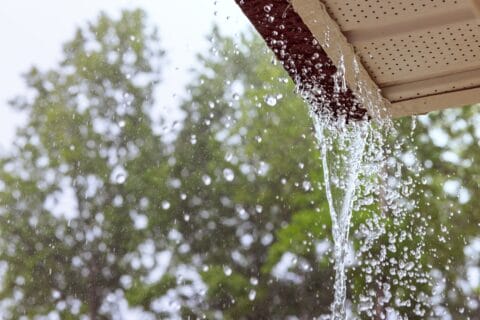
Gutter overflow during heavy rain is one of the most visible signs of drainage failure. When eavestroughs can’t handle runoff, water spills over…
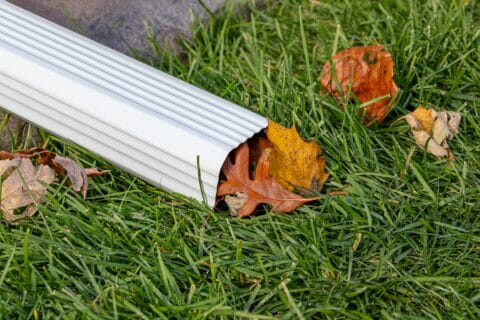
Why Downspout Direction Matters for Your Foundation
Improper downspout placement can lead to serious water issues around your home’s foundation.…
