
Downspout Repair Guide: Reconnect, Seal, and Secure
 Revised by Bruce Hulse
Why Proper Drainage Is Essential for Home Protection
A damaged or disconnected downspout might seem like a minor issue, but its consequences can be serious. The downspout is responsible for directing rainwater from your gutters safely away from your home’s foundation. When it is compromised, water can overflow, pool around your house, and eventually seep into the basement, weaken the foundation, or contribute to mold growth. This is especially relevant in Ottawa’s fluctuating climate, where freeze thaw cycles and heavy rainfall place constant stress on drainage systems.
How Neglected Drainage Repairs Can Lead to Serious Water Damage
Homeowners often overlook early water-management issues because warning signs appear minor or cosmetic. However, even small leaks or slight misalignments can compromise the performance of the entire drainage system. Over time, uncontrolled water flow can damage fascia boards, siding, and foundation walls, leading to expensive structural fixes. Identifying and addressing these issues early helps preserve the integrity of the full gutter system and prevents avoidable long-term damage.
What Causes Downspout Problems in Ottawa Homes
Ottawa face wear and tear from harsh winters, heavy rainfall, and ice buildup. Over time, these conditions cause joints to separate, brackets to loosen, and seams to crack. The accumulation of debris such as leaves, twigs, and ice can also clog downspouts, leading to overflow and increased pressure on the joints and fittings.
Below are the most common causes of downspout damage:
- Repeated freeze-thaw cycles causing expansion and contraction at the seams
- Debris accumulation from trees and roofing granules
- Poor installation or outdated hardware
- Lack of regular eavestrough maintenance
- Impact from ladders, falling branches, or snow removal equipment
In some cases, traditional segmented gutters increase the risk of joint failures. Upgrading to seamless gutters can reduce leak points and improve long-term performance.
These issues not only affect the downspout but can also put your entire gutter system at risk if left unattended.
Early Signs Your Drainage System Needs Attention
Knowing when to act is crucial. Catching signs of damage early can prevent large-scale structural issues. Below are the most common indicators that your downspout needs immediate attention:
- Overflow spilling from the gutter edge during rainfall
- Excess moisture collecting near the foundation
- Peeling paint or mold on exterior walls
- Visible rust, cracks, or holes in the vertical drainage pipe
- Loose or sagging mounting brackets
- Separation between the vertical pipe and the gutter connection or exterior wall
Any of these signs suggest that your drainage system is not functioning properly. In these cases, you may want to consult with a local expert in eavestrough repair in Ottawa for a full assessment.
Understanding the Role of Vertical Drainage in Exterior Water Management
Vertical drainage pipes are designed to channel runoff from the roofline down to the ground or into a designated discharge system. Their primary role is to divert excess moisture safely away from the home, preventing accumulation near the foundation. In a properly functioning setup, precipitation moves from the roof into the gutters, through the vertical piping, and exits at a controlled point that helps safeguard the structural integrity of the building.
How Blocked or Damaged Vertical Drainage Pipes Disrupt Water Flow
When vertical drainage pipes become blocked, disconnected, or damaged, the natural movement of runoff is disrupted. Instead of draining efficiently, excess moisture may spill from the collection channels, seep behind exterior siding, or erode the soil around the home. Over time, these issues can compromise structural integrity and significantly raise the risk of basement dampness. Because these components function in direct coordination with the broader drainage system, regular inspection and maintenance are essential to ensure consistent and reliable performance.
Gutter Screws
This type of work doesn’t always require a professional, but having the right tools and materials is essential. A successful result depends on using hardware and sealants designed to withstand outdoor conditions.
Table 1: Tools and Materials for Drainage Systems
| Item | Purpose |
| Drill or Screwdriver | Tighten or reattach brackets and joints |
| Gutter Sealant | Seal cracks, holes, and leaky seams |
| Gutter Screws | Secure new joints or replacement sections |
| Tin Snips | Cut new pieces of downspout or elbow joints |
| Extension Ladder with Stabilizer | Access hard-to-reach sections safely |
| Measuring Tape | Ensure accurate length for replacement pieces |
Make sure the materials you use are compatible with your existing system type (aluminum, galvanized steel, etc.) to ensure long-lasting performance.
Step-by-Step Guide to Fixing Water Flow Issues
A well-executed fix can restore full functionality and help prevent future moisture-related damage. Here’s a detailed step-by-step guide:
1. Inspect the Vertical Drainage Pipe Thoroughly
Look for cracks, rust spots, disconnected joints, or signs of leakage. Pay special attention to the seams and the connection points where the pipe meets the collection channel and the wall.
2. Clean the Interior of the Pipe
Remove any debris or blockages that could obstruct proper flow. A plumber’s snake or high-pressure hose can be used to flush out any buildup inside.
3. Reconnect or Exchange Loose Sections
If parts have separated, clean the ends thoroughly and reattach them using metal screws. Apply sealant at the joints before fastening them securely to ensure a tight seal.
4. Seal Any Leaks or Cracks
Apply a durable sealing compound around any minor perforations or seam gaps. If corrosion is extensive, remove the damaged segment and install a new section in its place.
5. Re-Fasten Brackets and Elbows
Loose brackets should be firmly resecured to the siding. Use anchors for added stability, especially on masonry surfaces. Ensure lower elbows are properly aligned to redirect runoff away from the structure.
6. Test the System for Efficient Drainage
Introduce a controlled flow into the upper portion of the drainage system and monitor how it moves through the vertical piping. Watch for any signs of leakage, pooling, or restricted movement.
How to Prevent Future Water Issues
Preventive maintenance is key to avoiding future downspout damage. Many issues can be avoided with simple seasonal checks and cleaning.
Vertical Drainage Maintenance Checklist for a Healthy Gutter System
- Inspect and clean downspouts twice a year (spring and fall)
- Remove debris from gutters regularly
- Check sealant at joints and seams annually
- Make sure brackets are tightly secured to the siding
- Monitor drainage flow during heavy rain for any signs of overflow or leaks.
If you’re unsure about how to inspect or clean your system properly, consider using Clear Ottawa’s services to keep everything in optimal condition.
Should You Fix or Replace a Damaged Section?
Not all problems can be solved with a basic fix. Sometimes the damage is too extensive, especially if rust has compromised structural integrity or multiple sections are failing.
Table 2: Fix vs. Replacement Comparison
| Condition | Best Option | Reason |
| Minor cracks or leaks | Fix | Can be sealed quickly and affordably |
| Loose joints or brackets | Fix | Reattachment is simple with proper tools |
| Extensive rust or corrosion | Exchange | Structural failure likely to occur without full replacement |
| Multiple sections damaged | Exchange | More cost-effective to exchange than to fix each piece |
| Old system (15+ years) | Exchange | May not meet current drainage standards |
Consulting with professionals like Clear Ottawa ensures you make the most economical and functional decision for your home.
How System Blockages Can Affect Broader Drainage Maintenance
A compromised component doesn’t function in isolation. When it fails, it puts added strain on gutters, fascia boards, roofing, and even landscaping.
Issues with flow-directing components often reveal or cause problems in other parts of the overall drainage infrastructure, such as:
- Gutter misalignment caused by excessive runoff
- Sagging or detaching gutters from fascia boards
- Increased debris buildup near drainage pipe openings
- Moisture infiltration behind walls
Clear Ottawa’s repair service addresses all these interconnected issues to ensure long-term drainage performance.
When to Call a Professional for Drainage Issues
If the damage is located at a second-story height, near electrical lines, or is too corroded to handle safely, it’s best to leave the work to experts. Professionals have the proper equipment and knowledge to deliver secure, long-lasting results.
Additionally, if the system has repeatedly failed or required multiple fixes without lasting success, professional intervention can help restore proper function moving forward.
Clear Ottawa offers reliable service backed by experience in Ottawa’s climate and building standards, including full downspout repair solutions.
Tips for Choosing the Right Drainage Pipe Setup
Proper system setup isn’t just about fixing issues, it’s also about optimization. The drainage system must be configured to suit your roof size, slope, and overall flow requirements.
Consider These Points:
- Number of vertical outlets: Ensure there’s at least one for every 20–30 linear feet of gutter
- Outlet size: Standard is 2×3 inches, but larger roofs may require 3×4 inches
- Drainage direction: Always point away from foundation, walkways, or porches
- Splash blocks or extensions: Guide runoff further away from the home
Protect Your Home with Timely Eavestrough and Drainage Repairs
The Role of Drainage in Protecting Your House
This task may seem minor, but it plays a crucial role in the overall drainage performance of your house. When ignored, even small issues within the drainage system can undermine your entire structure, leading to problems that extend well beyond the exterior. A properly functioning setup helps prevent basement leaks, safeguards the foundation, and preserves exterior finishes by redirecting runoff safely away from vulnerable areas.
Why Drainage Maintenance Matters in Residential Properties
In a residential context, these problems often escalate without warning, peeling paint, soil erosion, or damp basements can all trace back to overlooked drainage maintenance. Keeping your house protected means staying proactive, especially in climates like Ottawa where seasonal changes put consistent strain on exterior systems.
Home Improvement Starts with Exterior Protection
For homeowners focused on home improvement and long-term property value, addressing drainage issues promptly is an essential investment. Overlooking minor failures can quickly escalate into serious structural damage, requiring extensive and costly remediation. By prioritizing preventive measures and timely repairs, you ensure long-term resilience and preserve the appearance and stability of your home.
Bruce Adam Hulse


Bruce Adam Hulse is the passionate and driven CEO of Clear Ottawa Windows, a leading exterior cleaning and gutter maintenance company serving residential and commercial clients throughout the Ottawa region.
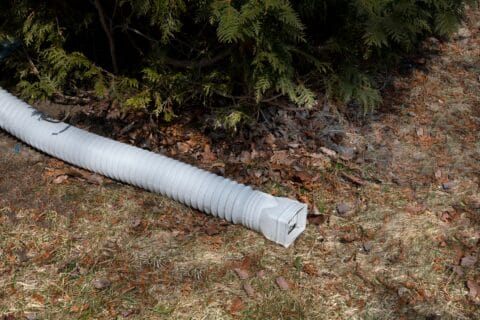
Learning how to clean downspouts is essential due to extreme seasonal shifts, from deep winter freezes to rapid spring thaws and heavy summer rains.…
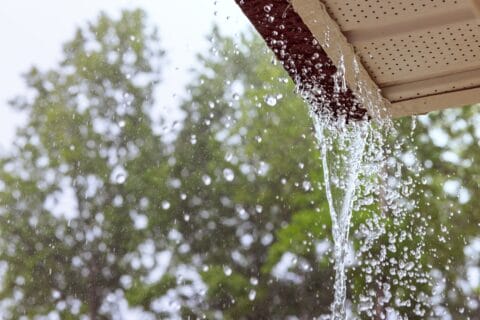
Gutter overflow during heavy rain is one of the most visible signs of drainage failure. When eavestroughs can’t handle runoff, water spills over…
