
Commonly Overlooked Areas in Gutter Cleaning
 Revised by Bruce Hulse
Gutter maintenance is an essential part of protecting a home from moisture-related damage, yet many areas of the system are frequently overlooked during routine cleaning. While the visible channels often receive attention, several components play equally important roles in ensuring water moves away from the roof and foundation effectively. If these areas remain unnoticed or unmaintained, clogs, overflow, and drainage inefficiencies may develop over time.
This guide highlights the most commonly missed sections during gutter cleaning, explains why they matter, and outlines practical steps homeowners can take to ensure their gutter system continues to perform reliably throughout the year.
Key Points at a Glance
| Aspect | Why It Matters |
| Downspouts | Essential for directing water away efficiently |
| Elbows and joints | Common areas where debris accumulates |
| Gutter hangers and fasteners | Support alignment and flow consistency |
| Behind the gutters | Area where trapped moisture may harm fascia |
| Roof-to-gutter transition | Frequent point of debris accumulation |
| End caps and corners | Prone to leaks or hidden blockages |
| Seasonal debris patterns | Influence how quickly buildup forms |
Why Thorough Gutter Maintenance Matters
A gutter system helps control rainwater and melting snow by channeling it away from the roofline and foundation. When debris accumulates in overlooked areas, the system cannot function properly. Water may back up, overflow, or drain too slowly, which places pressure on the fascia, siding, and surrounding landscaping. Over time, repeated exposure to pooling water can affect roof edges, contribute to staining on exterior surfaces, or increase the likelihood of moisture reaching vulnerable areas of the home.
In addition, slow-moving water in partially blocked areas creates opportunities for debris to settle and compact. This makes future cleanings more challenging and increases wear on the gutter material. Gutter components such as brackets, downspout connectors, and seals experience more stress as water retention increases, reducing the overall lifespan of the system. Addressing small problems early helps prevent more extensive issues later, making thorough cleaning a practical and cost-effective maintenance habit.
Overlooked Area 1: Downspouts
Downspouts play a central role in moving water away from the home. Even if the horizontal gutter channels are clean, a blocked downspout can prevent water from exiting efficiently. Most blockages occur inside the vertical tubes or at the elbow joints, where debris can collect and slow the drainage process.
Why Downspouts Are Often Missed
Many homeowners focus on the interior of the gutters and assume water will naturally flow through the downspout. However, sediment, leaves, and small branches can become lodged inside, especially if debris accumulates near the downspout opening. Because downspouts are enclosed, blockages often cannot be seen from above, making them one of the most frequently forgotten areas.
Another common issue is the assumption that a downspout is clear simply because some water emerges from the bottom. In reality, even a partial obstruction can reduce flow speed significantly. Over time, small amounts of debris can compact tightly inside the elbow sections, eventually blocking the passage entirely.
How to Address This Issue
Before concluding that gutter channels are clear, it is important to confirm that downspouts are fully unobstructed. Running a slow stream of water through the system can help identify whether the downspout is draining at its intended speed. If water backs up quickly, a hidden obstruction may be limiting flow. In some cases, tapping along the downspout may help loosen interior buildup, though care should be taken to avoid denting the material.
Overlooked Area 2: Elbows and Downspout Joints
Elbows and joints are narrow points in the drainage system where debris tends to settle. The abrupt change in direction creates natural catch points where leaves and sediment can become compacted.
Common Issues in These Sections
- Debris lodged at joints reduces overall drainage capacity
- Sediment buildup forms layers that restrict flow
- Blocked elbows cause water to back up into the main gutter channels
These sections are more difficult to inspect because the interior is not visible without disassembly. As a result, homeowners often assume the system is clear when the obstruction is hidden deeper inside the structure.
Elbow blockages typically develop slowly. Small debris accumulates over months or seasons until it reaches a point where even light rainfall causes visible drainage issues. In such cases, cleaning the main gutter channels will not resolve the problem because the restriction lies inside the joints rather than in the open channel.
How to Prevent Buildup
Flushing water through the downspout can help clear loose debris. If drainage remains slow, a closer inspection of the joints and elbows may be needed to remove compacted material. Adjusting how gutters slope toward the downspout can also reduce the likelihood of heavy debris traveling into sensitive elbow areas where it may lodge tightly.
Overlooked Area 3: Gutter Hangers and Fasteners
Hangers and fasteners support the gutter structure and maintain proper alignment. If these components become loose or worn, gutters may sag or shift. Even small changes in position can alter the slope needed for effective drainage.
Why This Matters
A misaligned gutter section can cause water to collect at low points rather than flow toward the downspout. Standing water adds weight to the gutter system, increasing stress on fasteners and leading to further sagging. Over time, even slight misalignment increases the risk of overflow during heavy rain or snowmelt.
Loose hangers may also create small gaps between the gutter and the fascia. These gaps can trap moisture and lead to material deterioration, especially in wooden fascia boards. Detecting small shifts early can prevent more significant structural concerns later.
Maintenance Considerations
Inspecting hangers and fasteners regularly helps ensure the gutter channels maintain their intended position. Tightening or adjusting mounting points can restore alignment and prevent future buildup. Ensuring that hangers are spaced evenly also helps support heavier loads that may occur during seasonal debris accumulation.
Overlooked Area 4: Behind the Gutters
The space behind the gutters is another area that is often ignored during cleaning. Moisture can become trapped behind the gutter channel if debris accumulates along the roof edge or if the gutter does not sit flush against the fascia.
Potential Issues Behind the Gutter
- Moisture exposure along the fascia board
- Gradual deterioration of wooden components
- Debris buildup that affects drainage efficiency
Even small amounts of debris trapped behind the gutter can hold moisture long enough to weaken fascia boards or cause staining on siding. This type of damage develops gradually and may go unnoticed until fascia boards begin to warp or discolor.
How to Manage This Section
Clearing debris from the roof-to-gutter transition helps prevent material from lodging behind the gutters. Ensuring the gutters remain firmly attached also reduces the likelihood of gaps forming along the fascia. Periodic inspection during seasonal cleaning allows homeowners to catch signs of deterioration early.
Overlooked Area 5: Roof-to-Gutter Transition Line
Leaves, needles, and small branches often accumulate where the roof slope meets the gutter edge. This area receives water runoff during rainfall and may also catch windblown debris.
Why This Area Is Important
Debris sitting along the roof edge can slide into the gutter channels during storms or snowmelt. When this occurs repeatedly, gutters become obstructed rapidly even after recent cleaning. Continuous buildup in this area can also block the natural shedding path of water, causing moisture to linger along the shingles.
Practical Maintenance Tip
Checking this transition line during seasonal cleaning helps reduce the amount of material entering the gutters unexpectedly. Light sweeping or removing loose debris from this area supports cleaner gutters over time. It is also helpful to inspect shingle edges to ensure water can move freely toward the gutters.
Overlooked Area 6: End Caps and Corners
End caps close off the gutter channels, while corner joints help connect sections along roof angles. Both components can accumulate debris or become points where small obstructions form.
Signs of Issues in These Areas
- Water dripping from the end rather than flowing toward the downspout
- Minor leaks that appear during rainfall
- Persistent dampness around corner joints
These areas may also show early signs of sealant wear. Over time, slight separations in the seal can create small pathways for moisture, which may go unnoticed until more extensive discoloration or dampness occurs.
How to Address Concerns
Inspecting end caps and corners during routine maintenance helps ensure water enters the gutter system smoothly and flows toward the proper exit point. Applying fresh sealant, when needed, helps maintain watertight performance.
Overlooked Area 7: Seasonal Debris Patterns
Different seasons introduce different types of debris. Spring may bring blossoms and early leaves, while autumn typically includes heavier leaf accumulation. Windstorms, rainstorms, and freeze-thaw cycles can all affect how quickly debris collects.
Why Seasonal Patterns Matter
Debris accumulation can increase suddenly depending on weather conditions. Understanding these patterns helps homeowners anticipate when attention is needed and prevents unexpected blockages during heavy rainfall. Seasonal awareness also helps plan maintenance more effectively, reducing the need for urgent cleanings.
Seasonal Considerations Table
| Season | Typical Challenges | Maintenance Focus |
| Spring | Blossoms, pollen, early leaves | Clear roof edges and test drainage |
| Summer | Occasional storms, dust | Remove wind-blown debris |
| Fall | Heavy leaf shedding | Thorough cleaning and downspout inspection |
| Winter | Freeze-thaw cycles | Check alignment and clear roofline debris |
This table highlights how seasonal changes affect gutter performance throughout the year.
How to Evaluate Whether Maintenance Is Needed
Observing the gutter system during rainfall or performing a controlled water test helps determine whether cleaning is required. Slow drainage, uneven water flow, and overflow during moderate rainfall may signal that one or more areas are obstructed or overlooked during past cleanings.
Practical Evaluation Steps
- Check for standing water in the channels
- Ensure downspouts produce a steady stream
- Listen for gurgling sounds that may indicate blockage
- Inspect fascia areas for moisture marks
- Review the roof-to-gutter transition for debris buildup
If these signs are present, targeted cleaning may be necessary to restore proper function.
How Thorough Cleaning Supports Long-Term Performance
Thorough gutter maintenance supports overall home protection by ensuring water does not accumulate where it should not. Addressing commonly overlooked areas helps:
- Prevent moisture exposure along the roof edge
- Support consistent drainage flow
- Reduce the likelihood of overflow during storms
- Protect fascia and siding materials
- Minimize the risk of unexpected blockages
Regular maintenance supports long-term performance and helps preserve exterior elements.
Conclusion: A More Complete Approach to Gutter Care
Many of the issues that affect gutter performance arise from areas that are not immediately visible or frequently checked. By paying attention to downspouts, joints, fasteners, roof transitions, and other overlooked locations, homeowners can reduce the risk of water-related problems and maintain steady drainage. For those who prefer support with routine upkeep, Clear Ottawa Windows provides gutter-related maintenance that contributes to reliable performance throughout the year.
Bruce Adam Hulse


Bruce Adam Hulse is the passionate and driven CEO of Clear Ottawa Windows, a leading exterior cleaning and gutter maintenance company serving residential and commercial clients throughout the Ottawa region.
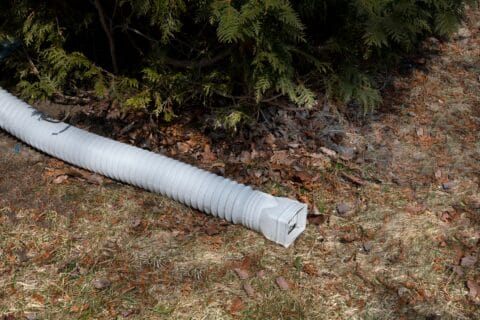
Learning how to clean downspouts is essential due to extreme seasonal shifts, from deep winter freezes to rapid spring thaws and heavy summer rains.…
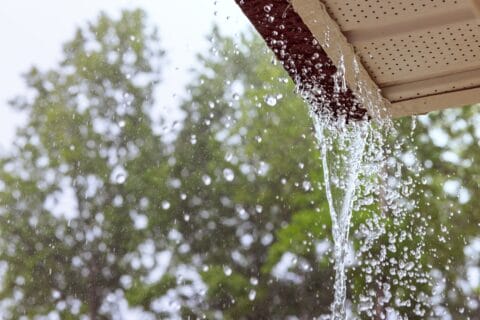
Gutter overflow during heavy rain is one of the most visible signs of drainage failure. When eavestroughs can’t handle runoff, water spills over…
