
How Gutter Cleaning Helps Prevent Basement Flooding
 Revised by Bruce Hulse
Gutter systems play a crucial but often overlooked role in protecting homes from water damage. When gutters function properly, they collect rainwater and melting snow from the roof and direct it safely away from the foundation. When neglected, however, clogged or obstructed gutters can cause water to overflow, saturate the soil around the home, and increase the risk of basement leaks or flooding. In regions with significant seasonal changes, keeping gutters clear is an essential part of year-round property maintenance. This article explains how gutter cleaning helps prevent basement flooding, why consistent upkeep matters, and what steps homeowners can take to protect their properties from water infiltration.
Key Points at a Glance
| Aspect | Why It Matters |
| Proper water flow | Clean gutters direct water away from foundation walls, reducing seepage risks. |
| Reduced hydrostatic pressure | Helps prevent soil saturation that leads to basement leaks. |
| Prevention of ice dams | Unobstructed gutters limit winter ice buildup and related water overflow. |
| Downspout function | Clear downspouts ensure runoff moves safely away from the home. |
| Structural protection | Reduces moisture exposure that can weaken foundations and walls. |
| Maintenance frequency | Twice-yearly cleaning helps prevent clogs from leaves and roof debris. |
| Seasonal weather considerations | Snowmelt and heavy rainfall increase the need for attentive maintenance. |
| Long-term home preservation | Clean gutters protect roofing, siding, and exterior components. |
Why Clean Gutters Matter for Basement Flood Prevention
Basement flooding often begins outside the home rather than inside. Gutters are designed to capture water running off the roof and carry it to downspouts, which redirect it several feet away from the foundation. When gutters clog with leaves, pine needles, or roof granules, water spills over the edges and collects around the base of the home. As the soil becomes saturated, hydrostatic pressure increases against foundation walls. Over time, this pressure can force water through cracks, joints, or porous concrete, eventually making its way into the basement.
Seasonal snow accumulation adds another layer of risk. As temperatures warm, meltwater must be directed away quickly and efficiently. If gutters are obstructed, runoff can overflow or back up against the roofline. Repeated freeze-thaw cycles can widen small cracks and create pathways for water infiltration near the foundation.
Clean gutters ensure that runoff is carried safely away from the house, reducing the likelihood of moisture buildup around the perimeter. This simple maintenance step is one of the most effective ways homeowners can prevent basement flooding.
How Clogged Gutters Contribute to Water Damage
When gutters stop draining properly, several issues can occur simultaneously. Each of these increases the risk of leaks or basement flooding.
Overflow Near the Foundation
Blocked gutters overflow directly onto the ground below. During heavy rain or rapid snowmelt, large volumes of water can pool near the home’s foundation. Saturated soil exerts significant pressure on basement walls, increasing the likelihood of seepage.
Water Backing Up Under Roofing Materials
When water cannot move through clogged gutters, it may pool against the roof edge. Over time, this can damage fascia boards, soffits, and shingles. Moisture infiltration in these areas can eventually reach wall cavities and migrate downward, contributing to indoor dampness or basement leaks.
Ice Dams and Winter Damage
In winter, meltwater from the upper roof can freeze in clogged gutters, forming ice dams. These blockages trap additional melting snow, forcing water beneath shingles or behind exterior cladding. By spring, this trapped moisture can move down toward the foundation.
Uneven Gutter Slope or Detached Hangers
Weight from debris, ice, or standing water can cause gutters to sag or pull away from the home. An incorrect slope prevents water from reaching the downspouts, causing overflow in concentrated areas that expose the foundation to excessive moisture.
How Regular Cleaning Maintains Proper Drainage
Routine cleaning allows gutters and downspouts to function as intended. Removing debris ensures that water flows efficiently along the roofline, into downspouts, and away from the property. This prevents pooling, soil saturation, and conditions that lead to water seepage into basements.
Key Maintenance Tasks That Support Drainage
Before detailing how these practices protect the basement, here is a summary of common issues and preventive actions:
| Common Issue | Impact on Foundation | Preventive Action |
| Clogged gutters | Overflow saturating soil near basement walls | Clean gutters twice a year |
| Ice buildup | Water seeping behind roof edges | Clear gutters and downspouts before winter |
| Sagging or detached hangers | Water pooling in sections near the foundation | Re-secure brackets and maintain proper slope |
| Blocked downspouts | Water backing up into gutters and overflowing | Flush downspouts regularly |
Maintaining Seasonal Functionality
Spring and fall are the ideal times for gutter maintenance. In spring, cleaning removes debris accumulated during storms. In fall, it prevents leaf buildup from clogging channels before snowfall.
Homes surrounded by tall trees or dense foliage may require more frequent cleaning. Pine needles and roof grit, in particular, are small enough to block narrow channels and downspout openings.
Routine inspections also help identify early signs of wear or damage, such as loose brackets, cracked seams, or rust. Addressing these issues early helps maintain consistent water flow and reduces the risk of basement flooding.
The Role of Downspouts in Preventing Basement Moisture
Gutters only perform half the job. Downspouts complete the drainage system by carrying water away from the base of the home. When downspouts clog, water backs up into the gutter, causing it to overflow. When downspouts are too short or poorly positioned, water may exit directly beside the foundation.
Proper Downspout Placement
Downspouts should discharge water several feet away from the home, ideally onto a slope that directs water even further. Extensions or splash blocks help ensure runoff moves safely into the yard instead of pooling near basement walls.
Keeping Downspouts Clear
Leaves, twigs, and roof granules can collect inside downspouts, reducing their capacity. Flushing them with a hose during seasonal cleanings helps ensure unobstructed flow.
Seasonal Weather Factors That Increase Flooding Risks
In areas with varied weather patterns, conditions such as heavy rainfall, rapid snowmelt, and freeze-thaw cycles place added stress on gutter systems. When temperatures fluctuate, melting snow can refreeze overnight, creating blockages that force water toward the home instead of away from it. These cycles highlight the importance of keeping gutters clear before winter and again in early spring.
Two additional Ottawa mentions remain available for the article’s conclusion and optional context.
Best Practices for Gutter Maintenance
Homeowners can adopt several practical steps to maintain gutter performance and reduce basement flooding risk.
Seasonal Cleaning Schedule
- Twice yearly: spring and fall
- Additional cleanings: if the home is surrounded by large trees or conifers
Inspection Checklist
- Check for sagging or loose hangers
- Ensure proper slope toward downspouts
- Remove debris from gutters and downspouts
- Inspect for signs of rust or cracked joints
- Confirm extensions direct water several feet away from the home
Debris Types and Effective Removal Methods
| Debris Type | Blockage Risk | Removal Method |
| Pine needles | High | Use a gutter scoop or soft brush |
| Leaves | Medium | Hand removal followed by rinsing |
| Sticks and twigs | Medium | Remove manually, check for downspout blockage |
| Roof grit | Low to medium | Rinse thoroughly to maintain drainage |
Considering Gutter Guards
Gutter guards can reduce the amount of debris entering gutters. While they do not eliminate the need for maintenance, they can help decrease the frequency of clogs, particularly in neighborhoods with dense tree cover.
How Clean Gutters Protect the Entire Home
While the focus of this article is basement flooding, the benefits of clean gutters extend throughout the entire home. Proper drainage protects:
- Roofing materials by preventing standing water
- Exterior walls and siding by limiting moisture exposure
- Fascia and soffits from rot
- Landscaping and soil from erosion
- Walkways from pooling and ice formation
Each of these contributes indirectly to a dry basement by preventing water movement toward the home’s foundation.
Conclusion: A Simple Routine That Protects Your Home
Regular gutter cleaning is one of the most effective ways to prevent basement flooding. By ensuring water flows safely away from the home, clean gutters reduce hydrostatic pressure on foundation walls, limit winter ice buildup, and support the long-term integrity of exterior structures. In a climate like Ottawa’s, where seasonal weather can change quickly, this routine maintenance is especially important for keeping basements dry and homes protected.
Homeowners seeking additional assistance can rely on Clear Ottawa Windows for gutter cleaning services tailored to regional conditions. With consistent upkeep, your home stays dry and well protected throughout the year.
Bruce Adam Hulse


Bruce Adam Hulse is the passionate and driven CEO of Clear Ottawa Windows, a leading exterior cleaning and gutter maintenance company serving residential and commercial clients throughout the Ottawa region.
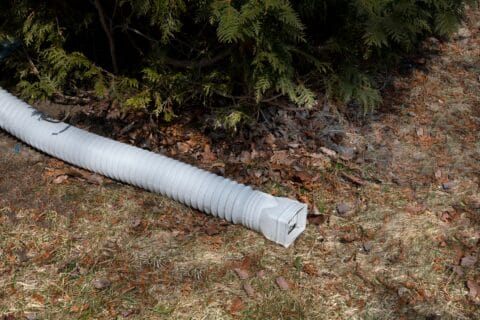
Learning how to clean downspouts is essential due to extreme seasonal shifts, from deep winter freezes to rapid spring thaws and heavy summer rains.…
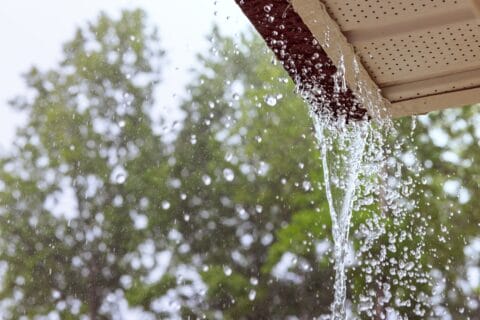
Gutter overflow during heavy rain is one of the most visible signs of drainage failure. When eavestroughs can’t handle runoff, water spills over…
