
Why Professional Gutter Cleaning Is Safer Than DIY
 Revised by Bruce Hulse
Cleaning gutters is a necessary part of maintaining a home, and it may appear straightforward at first glance. However, the task involves more risks and technical considerations than many homeowners expect. From working at height to handling wet debris, several factors increase the chances of accidents or unintended damage.
Professional gutter cleaning services use specialized equipment, structured procedures, and trained techniques to help ensure the work is carried out safely and effectively. This article explains why professional gutter cleaning is generally safer than attempting the job yourself and highlights the steps, equipment, and considerations that support thorough and careful maintenance.
Key Points at a Glance
| Aspect | Why It Matters |
| Working at height | Requires stable equipment and safety practices |
| Specialized tools | Improve cleaning precision and reduce physical strain |
| Trained techniques | Reduce risks during ladder use and debris removal |
| Property protection | Helps prevent accidental damage to roofing and gutters |
| Downspout clearing | Ensures full drainage flow and prevents overflow |
| Pre-inspection steps | Identify concerns before cleaning begins |
| Maintenance consistency | Supports long-term performance and home protection |
Why Gutter Cleaning Carries Safety Risks
Gutter cleaning often requires climbing ladders, reaching overhead, handling tools, and working in areas where footing may be uncertain. Wet surfaces, fallen leaves, and uneven terrain can increase the risk of slips or missteps. Even minor factors such as a poorly positioned ladder or an unexpected patch of loose debris can lead to accidents. Weather conditions add another variable, as moisture or wind can impact stability and visibility.
Homeowners typically face three major safety concerns:
- Ladder stability issues that arise on soft ground or sloped landscapes
- Limited reach that leads to overextending while trying to clean long gutter spans
- Inexperience with debris removal that may require repeated climbing and repositioning
These challenges highlight why a simple task can become unexpectedly hazardous without proper preparation and equipment.
Benefits of Professional Safety Practices
Professional gutter cleaning services follow established procedures that prioritize safety. Technicians are trained to assess conditions such as roof pitch, ladder placement, and debris type before beginning work. Their approach generally includes:
- Using ladder stabilizers to prevent sideways movement
- Wearing non-slip footwear designed for roof-edge work
- Bringing extension equipment to avoid unnecessary climbing
- Securing tools to prevent them from falling
- Evaluating the surrounding area to identify potential hazards
These practices reduce the risk of accidents and support efficient, methodical cleaning from start to finish. For homeowners, this means a safer approach and cleaner results without the need to navigate these risks firsthand.
Why Equipment Makes a Difference
Specialized tools help ensure that gutter cleaning is carried out carefully and thoroughly. While homeowners may rely on basic ladders, household gloves, or garden hoses, professional equipment is specifically designed for gutter and downspout care.
Some of the tools frequently used by professionals include:
- Extension wands that clean gutters from the ground or from minimized heights
- High-capacity vacuums that remove debris without scraping gutter surfaces
- Gutter scoops made to reach narrow gutter channels
- Gutter flushing attachments that verify water flow after cleaning
- Lightweight poles for clearing downspouts efficiently
These tools help minimize direct contact with roof edges and reduce the need for repeated ladder climbs. Proper equipment also helps avoid unintentional damage to gutters, shingles, or fascia boards.
Why Technique Matters in Gutter Maintenance
Gutter cleaning is not only about removing visible material. It requires an understanding of how gutters are structured, how water moves through the system, and how downspouts connect. Professional technicians follow a sequence that helps ensure the full drainage system operates as intended.
A typical cleaning approach may include:
- Inspecting gutters for sagging or misaligned sections
- Removing accumulated debris in a controlled manner
- Checking for blockages in downspouts and elbow joints
- Flushing the system to ensure proper drainage
- Observing areas where adjustments or minor repairs may be needed
This systematic approach supports the integrity of the entire gutter system and helps identify issues early.
The Role of a Pre-Cleaning Inspection
Before debris is removed, a brief inspection helps identify structural or safety concerns. Professionals typically check:
- Roofline condition, including shingles near the edge
- Ladder placement points and stable ground positions
- Gutter integrity, such as loose joints or rust spots
- Downspout angles and fastening points
- Vegetation near the gutters that may cause future buildup
This inspection helps create a safe and stable plan for the cleaning process. It also allows technicians to assess whether excess debris, unusual obstructions, or structural concerns are present.
Pre-Cleaning Inspection Checklist
| Inspection Area | Purpose |
| Roofline structure | Ensure surfaces are stable near the gutter edge |
| Ladder and safety equipment | Confirm stability and proper setup |
| Gutter condition | Identify sagging, rust, or loose fasteners |
| Surrounding vegetation | Assess potential sources of debris |
Conducting this inspection helps reduce surprises during cleaning and contributes to a more predictable and safer workflow.
How Professionals Clean Gutters Safely
The cleaning phase involves careful movement along the roofline or ground-based equipment designed to reduce climbing. Professionals often use a combination of manual debris removal and vacuum-assisted extraction.
During this stage, technicians typically:
- Wear protective gloves and eye protection
- Remove large debris first to prevent clogging during flushing
- Use gutter scoops or extension tools to reach difficult areas
- Clear the downspouts from top to bottom
- Flush the gutter system to confirm water flow
Each step is carried out with attention to tool placement, stability, and controlled movement to keep the worksite safe.
Post-Cleaning Quality Assurance
After cleaning, a final review helps ensure everything is functioning correctly.
| Step | Purpose |
| Visual inspection | Confirm gutters and downspouts are clear |
| Leak testing | Identify hidden blockages or drainage issues |
| Cleanup | Remove collected debris from the property |
| Maintenance notes | Provide observations for future care |
This process supports consistent performance and helps prevent water-related issues over time.
How Overlooking Safety Can Affect Homeowners
DIY gutter cleaning often involves more challenges than expected. Without proper preparation or equipment, homeowners may encounter:
- Unstable ladder positioning that risks falls
- Overreaching that affects balance
- Difficulty accessing upper-storey gutters
- Accidental damage to gutter edges or shingles
- Limited ability to verify downspout condition
Even small missteps can lead to costly repairs or personal injury. Simple household tools rarely match the precision or reach of professional-grade equipment, making the task more physically demanding and less predictable.
How Professional Cleaning Helps Protect the Home
Regular, safe gutter cleaning helps reduce the risk of:
- Overflowing gutters that lead to water pooling around the foundation
- Moisture damage to fascia or soffit boards
- Water traveling under shingles during storms
- Staining on exterior walls caused by runoff
- Ice buildup along the roof edge during colder months
By ensuring that water flows freely away from the home, professional cleaning supports long-term protection of exterior structures and reduces the likelihood of moisture migration toward the interior.
Why Proper Disposal Matters
Removing gutter debris is only one part of the task. Proper collection and disposal help ensure that leaves, twigs, and organic matter do not accumulate near the home or interfere with landscaping.
Professionals typically:
- Collect debris in containers rather than letting it fall to the ground
- Remove all loose material from high-touch areas
- Leave the surrounding property tidy once the cleaning is complete
This careful handling helps prevent debris from washing into walkways, driveways, or garden beds.
Seasonal Considerations for Gutter Care
Seasonal weather variations can affect the risk levels involved with cleaning gutters. Rainfall, snow accumulation, and wind conditions can influence:
- Ladder stability
- Surface slipperiness
- Debris volume
- Downspout clogging frequency
- Timing for cleaning and inspection
Most homeowners benefit from scheduling cleaning at least twice a year, typically in late spring and again in fall. Homes located near tall trees may require more frequent cleaning to ensure proper drainage.
Maintaining a Safe Gutter Care Routine
Whether performed by professionals or homeowners, safety should remain the top priority. This includes selecting stable ladder placement points, avoiding work during poor weather conditions, and using equipment that reduces physical risk. For many homeowners, relying on a professional removes these concerns and helps ensure thorough debris removal along the entire gutter system.
Professional services also help identify issues that may not be immediately noticeable, such as early corrosion, loose downspout connections, or minor sagging that could affect water flow later. These observations support long-term gutter performance and reduce the likelihood of unexpected issues during storms.
Conclusion: Supporting Safer and More Reliable Gutter Maintenance
Gutter cleaning involves more than removing debris. It requires attention to safety, careful equipment use, and an understanding of how the gutter system functions as a whole. Professional services follow structured procedures that reduce the risks associated with working at height and help ensure that gutters operate efficiently. Homeowners who want a safer and more consistent approach to gutter care can rely on Clear Ottawa Windows for gutter-related maintenance that supports long-term drainage performance and exterior protection.
Bruce Adam Hulse


Bruce Adam Hulse is the passionate and driven CEO of Clear Ottawa Windows, a leading exterior cleaning and gutter maintenance company serving residential and commercial clients throughout the Ottawa region.
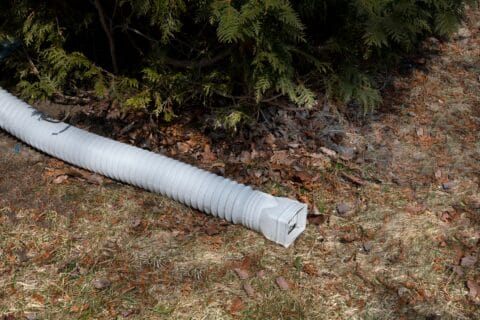
Learning how to clean downspouts is essential due to extreme seasonal shifts, from deep winter freezes to rapid spring thaws and heavy summer rains.…

Gutter overflow during heavy rain is one of the most visible signs of drainage failure. When eavestroughs can’t handle runoff, water spills over…
