
7 Warning Signs Your Gutters Are Pulling Away From Your House
 Revised by Bruce Hulse
If you’ve noticed gaps between your gutters and fascia, or water spilling over during rain, you may be seeing early signs your gutters are pulling away. When gutters begin detaching from your home, it’s often more than just a minor aesthetic issue, it can be a warning that your home’s drainage system is under strain, and your foundation, siding, or landscaping may be at risk. In climates like Ottawa, where freeze-thaw cycles and heavy precipitation are common, gutter damage can escalate quickly without proper maintenance.
Understanding early indicators of gutter detachment is essential for avoiding costly corrective work. Below are seven common warning indicators homeowners should watch for. Recognizing these early gives you the best chance to address the issue before it worsens.
1. Visible Gaps Between Gutter and Roofline
One of the most obvious indicators of gutter detachment is a visible gap between the gutter and the roofline. This typically occurs when the fasteners securing the system loosen or fail over time. In Ottawa’s climate, ice buildup and repeated freeze-thaw cycles can weaken attachment points. If these gaps remain unaddressed, rainwater may bypass the drainage system entirely and run directly down the exterior of your home, increasing the risk of deterioration to wall surfaces and lower structural elements.
2. Sagging or Uneven Roofline Sections
When gutters sag or appear uneven, it means they’re no longer correctly aligned to channel water to the downspouts. This can be caused by the weight of debris, standing water, or even nesting animals. Sagging is a strong visual cue, and a critical sign your gutters are pulling away from their mounting points. Over time, this misalignment can cause sections of the gutter to detach completely, especially under the pressure of heavy snow or ice.
3. Water Overflowing or Pooling Around the Foundation
During or after rainfall, water spilling over the edges or pooling near the base of your home is a clear functional red flag. Overflow is often caused by clogs or improper slope, but when it occurs alongside visible separation, it strongly suggests the drainage system is no longer securely attached. Left unaddressed, this can lead to basement leaks, soil erosion, or even foundation cracks — all serious structural concerns for Ottawa homeowners.
4. Staining or Moisture Damage on Exterior Walls
Brown streaks, mold growth, or peeling paint on exterior walls can indicate that moisture is leaking behind or overflowing the drainage system. These marks often point to separation along the roofline, allowing water to bypass its intended path. When moisture repeatedly runs down exterior surfaces, it accelerates wood rot, increases heat loss through wall assemblies, and creates conditions that attract pests. Monitoring for this type of deterioration is especially important during Ottawa’s damp seasons, when exterior and structural materials are more vulnerable.
5. Loose or Missing Fasteners and Brackets
Gutters are secured by fasteners, brackets, or spikes, and when these components become rusted, damaged, or go missing, the system can no longer function properly. Over time, sections may begin to shift, sag, or separate from the roofline entirely. If you notice screws on the ground near your home or see areas supported by fewer brackets than others, it’s a clear indication that the attachment system is failing and requires immediate attention. Without adequate support, even a moderate windstorm could dislodge an entire section.
6. Plant Growth or Debris Buildup in Gutters
While not a structural issue on its own, the presence of weeds, moss, or accumulated debris within the drainage channels often contributes directly to separation from the roofline. When the system becomes clogged, water pools instead of flowing freely. This added weight places extra stress on brackets and fasteners, gradually leading to pull-away. In this context, blocked channels are both a cause and an early indicator of attachment failure. Regular seasonal cleaning, especially in spring and fall, is essential to prevent this progression.
7. Leaks at the Seams or Joints
If you notice water dripping from seams, corners, or joints during rainfall, it indicates that the system’s integrity has been compromised. While some leaks result from aging sealant or metal fatigue, others occur because joints are under increased stress caused by pulling or sagging. In many cases, these leaks serve as early indicators of attachment failure, as separation places added pressure on the weakest points of the system. For seamless installations, this often suggests that sagging has already begun in other areas.
Why These Warning Signs Matter for Ottawa Homeowners
In Ottawa, where winters are harsh and precipitation is frequent, having a fully functional gutter system is more than just convenience, it’s a necessity. Snow accumulation followed by sudden thaws creates a surge of runoff, which needs to be managed efficiently. If your gutters are already pulling away, they won’t handle this load, increasing the risk of ice dams, roof leaks, and water damage inside your home.
Additionally, with Ottawa’s mix of older and newer housing, gutter detachment can affect everything from vintage wood soffits to modern exterior cladding systems. Preventive maintenance is always more cost-effective than addressing foundation or roof-related issues later on.
What Causes Gutters to Pull Away?
Understanding the root causes helps prevent future issues. Common reasons include:
- Clogged gutters that add weight and pressure
- Improper installation, where fasteners weren’t anchored correctly
- Rotted roofline boards that no longer hold screws or brackets
- Thermal expansion, especially in aluminum gutters exposed to Ottawa’s temperature swings
- Lack of regular cleaning, allowing debris and ice buildup
Whether it’s neglect, weather, or wear and tear, each of these factors contributes to the slow but visible process of gutter detachment.
When to Seek a Professional Eavestrough Inspection
If you’ve identified one or more of the issues described above, it’s time to take action. A professional inspection can evaluate the extent of the problem and determine whether targeted corrections or a full system replacement are required. For Ottawa homeowners, working with local experts ensures the recommended solution accounts for regional weather conditions that place unique stress on exterior drainage systems.
Early detection is key to avoiding costly home issues. What begins as a small gap or minor leak can quickly develop into moisture intrusion, roof complications, or reduced insulation performance. Trained technicians can identify concealed weaknesses, reinforce attachment points, and ensure the drainage system is fully functional before the next seasonal shift.
How to Prevent Pulling Away in the Future
Maintaining a secure gutter system is straightforward with regular upkeep:
- Clean gutters at least twice a year, especially in spring and fall
- Install gutter guards to minimize debris buildup
- Re-secure fasteners annually, especially after heavy snow or wind events
- Trim nearby tree branches to reduce organic debris
- Schedule professional inspections to catch early signs of detachment
With proactive care, you can prevent most of the conditions that lead to gutter detachment, helping reduce long-term maintenance costs and preserve your home’s structural integrity.
| Cause | Impact on Gutters | Preventive Solution |
| Leaf and debris buildup | Adds weight that causes the system to separate from the structure | Clean gutters twice a year; install gutter guards |
| Snow accumulation and ice dams | Creates sagging and loosens fasteners | Remove snow from roof edges; inspect brackets after winter |
| Poor installation or low-quality materials | Brackets may fail quickly or gutters may not be properly pitched | Use experienced installers and weather-appropriate materials |
| Rotten roofline boards | Fasteners can no longer stay secured | Address roofline deterioration before reinstalling gutters |
| Lack of seasonal maintenance | Small issues go unnoticed until major detachment occurs | Schedule annual inspections and cleaning |
When to Act on Early Warning Clues
Spotting one or more of these warning indicators shouldn’t be taken lightly, especially in Ottawa, where weather conditions place constant stress on exterior drainage systems. What starts as a minor issue in autumn can quickly develop into a serious water intrusion problem by winter.
The warning indicators outlined above go beyond cosmetic red flags; they often point to structural problems that can affect your roofline and lower structural elements. Left unaddressed, gutter detachment can lead to wood rot, insulation deterioration, or costly moisture intrusion inside your home.
Why Professional Gutter Repair Makes a Difference
In most cases, early detection allows for targeted repair rather than full replacement. If you’re seeing sagging, leaks, or loose sections, it’s time to consider a professional evaluation.
For homeowners in Ottawa, gutter repair services from Clear Ottawa offer an efficient way to restore function and extend the life of your existing system. Their local technicians understand the wear and tear caused by snow, wind, and seasonal debris, and can resecure, realign, or replace failing sections before they lead to more serious damage
Final Thoughts
Recognizing early indicators of gutter detachment is the first step in protecting your home from costly exterior issues. Whether it’s a visible gap, sagging section, or persistent overflow, these issues rarely resolve on their own and tend to worsen with ongoing exposure to the elements.
If you live in Ottawa and have noticed any of these symptoms, don’t wait until the next storm. Addressing them now ensures your gutter system can continue doing what it’s designed for: protecting your home, efficiently and reliably, year-round.
Bruce Adam Hulse


Bruce Adam Hulse is the passionate and driven CEO of Clear Ottawa Windows, a leading exterior cleaning and gutter maintenance company serving residential and commercial clients throughout the Ottawa region.
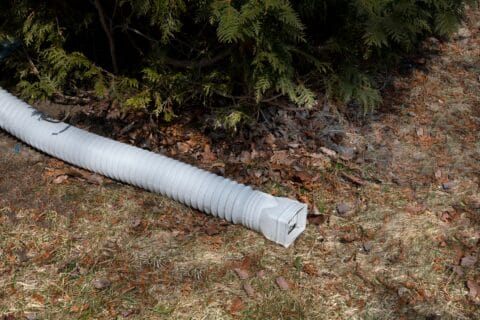
Learning how to clean downspouts is essential due to extreme seasonal shifts, from deep winter freezes to rapid spring thaws and heavy summer rains.…
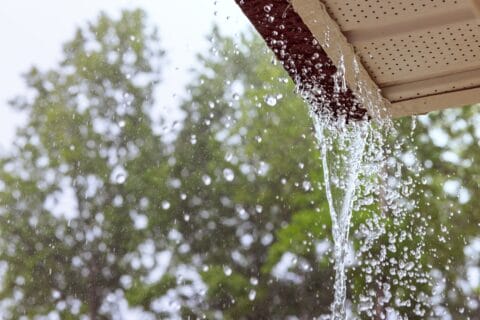
Gutter overflow during heavy rain is one of the most visible signs of drainage failure. When eavestroughs can’t handle runoff, water spills over…
