
How to Fix a Clogged Downspout That Keeps Coming Back
 Revised by Bruce Hulse
In the world of home maintenance, few issues are as deceptively simple, yet potentially destructive, as a clogged downspout. While gutters often receive regular attention from homeowners during seasonal clean-ups, the vertical drainage pipe is frequently ignored until runoff begins to overflow dramatically or pool dangerously close to the foundation. The truth is, when this component becomes blocked, it can quietly sabotage the integrity of your entire drainage system, and by extension, the structural health of your home. Regular efforts to clean gutters and inspect connected drainage elements, especially when combined with a properly installed gutter guard, can significantly reduce the risk of these hidden failures.
Water Damage Starts Small, Then Escalates
What begins as a minor blockage from a handful of wet leaves or some roof grit can rapidly evolve into a significant obstruction. As more debris accumulates and water fails to drain properly, pressure builds up inside the gutters. This can cause them to sag, separate from the fascia, or even collapse in severe cases. Worse, the water that doesn’t escape down the intended path ends up spilling over the gutter edge, trickling down walls, seeping into foundations, or flooding flower beds and walkways. Over time, this repeated saturation leads to erosion, rot, and even the formation of mold behind siding.
Why One Downspout Keeps Clogging
Many homeowners in Ottawa report that it’s always the same downspout that gets clogged. This is rarely a coincidence. Typically, one section of your roof may channel more water, and with it, more debris, than others. Combined with an awkward bend in the downspout or a lack of protective screening, this creates a perfect storm for repeat blockages. Left untreated, a single stubborn downspout can undermine the effectiveness of your entire gutter system and turn heavy rains into an ongoing risk for water intrusion.
Why You Should Clean Gutters Before Major Repairs
The frustrating part about water damage caused by a blocked vertical drain is how preventable it is with the right insight and a consistent gutter cleaning approach. While you can’t control the weather or falling leaves, you can certainly control how your drainage system handles them. Investing in inspection, cleanup, and small upgrades at the right times can save you from dealing with foundation cracks, basement leaks, and expensive exterior repairs. As with most home issues, prevention is cheaper, cleaner, and far less stressful than dealing with damage after the fact.
What’s Really Causing Your Drainage Pipe Blockage?
Understanding what causes your vertical drain to become repeatedly blocked is the foundation for fixing it permanently. Most homeowners assume it’s just leaves, pine, and twigs to blame, and while that’s often part of the equation, it’s not the full story. In reality, a variety of factors can combine to obstruct your drainage system, especially in a region like Ottawa, where seasonal changes put extra strain on your home’s exterior. Identifying the root cause is essential to choosing the right repair strategy.
Organic Debris Accumulation
During the fall months, trees shed leaves at a relentless pace. If your roof is situated under or near large maple or pine trees, which are common across Ottawa, your gutters will inevitably collect natural debris. Pine needles, in particular, are notorious for slipping through standard gutter openings and forming dense clumps inside downspouts. Combined with dust, asphalt shingle grit, and the occasional small branch, this material doesn’t just wash away. Instead, it settles in bends and low points of the downspout, slowly building into a compacted plug that normal rainfall can’t dislodge.
Poor Downspout Design
The design and layout of your gutter system also play a critical role. If your downspouts are narrow or if they contain sharp angles and multiple elbows, often added to accommodate architectural features or landscaping, debris has more opportunities to get stuck. Some older homes in Ottawa were constructed with outdated aluminum downspouts that simply weren’t designed to handle today’s volume of runoff, especially during the extreme weather events we’re seeing more frequently. A poorly pitched downspout may also slow water flow, which allows sediment to settle and harden over time, increasing the likelihood of a blockage.
Ice and Freezing in Winter
Perhaps the most underestimated cause of a blocked vertical drainage pipe is ice. During winter, standing water left in the system freezes overnight, especially if daytime melting followed by sub-zero temperatures occurs. This leads to internal ice blockages that can crack downspout joints or burst sections entirely. Even if the ice melts, it often leaves behind grit and debris, setting the stage for springtime blockages. Ottawa’s freeze-thaw cycles, which can repeat dozens of times per season, make this a very real concern for homeowners.
Signs Your Drainage Pipe Is Blocked
While some drainage issues around your home are immediately obvious, like puddles in your yard or a visibly overflowing gutter, the symptoms of a blocked vertical pipe or underground drain are often subtle at first. That’s what makes this issue so insidious. Many homeowners don’t realize there’s a problem until moisture has already begun to infiltrate critical areas of their home, causing damage that could have been prevented with earlier intervention.
Overflowing Gutters During Rain
One of the first and most visible signs of a blocked drainage pipe is water cascading over the sides of your gutters during moderate or heavy rain. Instead of being channeled smoothly through the system and expelled away from your home, the water collects and spills out wherever it can often signaling the need for professional services to assess the blockage and prevent further damage. This type of overflow not only erodes the landscaping below, but it also saturates your siding and foundation wall, putting your property at risk of long-term water damage. If the same corner or side of your home constantly floods during rain, chances are high that the downspout servicing that area is partially or completely blocked.
Pooling Water at Ground Level
After a rainstorm, take a moment to walk around the exterior of your home. If you notice standing water near the base of your walls, particularly under a downspout outlet, this could indicate that the water isn’t draining properly. It may be trickling slowly or not at all due to an obstruction inside the vertical pipe or, worse, within an underground drainage extension. This type of pooling is a key indicator of a blocked vertical drainage pipe and should be addressed quickly to prevent infiltration or soil displacement.
Visible Mildew or Moisture Damage
Over time, persistent overflow can cause exterior staining, green mildew on siding, and even shifts in your home’s foundation. If these issues appear near the same drainage outlet consistently, the source is likely a recurring blockage. In colder months, you might also see icicles forming around blocked vertical pipes, another red flag that flow has been disrupted and water is freezing in place, exacerbating the damage. Proactive gutter cleaning is one of the most effective ways to prevent these problems from escalating.
Blocked Gutter vs. Blocked Drainage Pipe: What’s the Difference?
Both are drainage issues, but they require different solutions.
Table 1: Blocked Gutter vs. Blocked Drainage Pipe
| Feature | Clogged Gutter | Blocked Drainage Pipe |
| Orientation | Horizontal (along roof edge) | Vertical (from gutter to ground) |
| Common Materials | Leaves, roof grit, dirt | Compacted debris, nests, ice, pests |
| Cleaning Difficulty | Easier with ladder and scoop | Requires flushing, snaking, or disassembly |
| Symptoms | Water overflows from the top | No drainage from pipe, standing water below |
| Long-term Risk | Sagging gutters, fascia damage | Foundation cracks, basement moisture |
Understanding which part of your system is failing allows for a more effective solution.
Why the Same Downspout Keeps Getting Clogged
It’s frustrating when you clean your gutters regularly, yet one specific downspout keeps clogging no matter what. This kind of repeat failure isn’t just bad luck, it usually points to an underlying design or environmental issue that’s being overlooked. To truly fix the problem, you need to look at how your gutter system interacts with your home’s structure, landscape, and even the weather patterns in your region.
Roofline Layout and Water Volume
Some homes, especially those with multiple roof angles or intersecting planes, funnel large amounts of rainwater into a single gutter segment. If that segment connects to only one downspout, the volume can overwhelm the pipe, especially during heavy downpours. The result? Debris gets pushed in faster than it can flow out, leading to frequent blockages. Over time, this leads to a chronic flow issue that can’t keep up with demand unless the system is upgraded or redesigned.
Nearby Trees and Vegetation
In heavily wooded neighborhoods, downspouts are naturally exposed to more organic matter. Leaves, seed pods, pollen clusters, small twigs, and even bird nests can accumulate rapidly. If tree branches overhang your roof, the downspout closest to that section will always be the most vulnerable to repeated clogging. In these cases, leaf guards and regular professional maintenance are essential, not optional.
Underground Drain Tie-Ins
If your downspout connects to an underground drainage system, the clog may not be in the vertical pipe at all. Over time, it can collapse, shift, or become clogged with sediment and roots. This creates a backup that appears to be a surface-level issue, but in fact, the problem lies several feet below the surface. Without proper diagnostic tools (like a drain camera or hydro-jetting system), this kind of clog can persist for years unnoticed.
Tools and Methods to Unclog a Downspout Effectively (Without Damaging It)
When your downspout is clogged and water is backing up into your gutters, the goal isn’t just to clear the blockage, it’s to do it safely, without damaging your eavestrough system or wasting time with ineffective tricks. Depending on how stubborn the clog is, some tools work better than others. The key is knowing where the clog is, how dense the blockage has become, and whether it might extend into an underground drainage pipe.
Start Simple: What You Can Try Yourself
If you’re dealing with your first drainage blockage, start with a garden hose. Run water through the top opening and observe whether it flows freely out the bottom. If it doesn’t, use the pressure from the hose to break up light debris. Many minor clogs caused by leaves or grit will flush out this way. If water pools and backs up instantly, you’re likely dealing with a more serious obstruction.
A wet/dry vacuum can also be used at the base of the downspout. With a tight seal, it can suction out trapped material like mud, shingle granules, or insect nests. If that still doesn’t work, a drain snake or plumber’s auger can help break apart compacted clogs that have formed farther down the pipe.
If none of these methods work, or if you’re not comfortable climbing ladders or disassembling joints, your best move is to schedule a professional eavestrough cleaning in Ottawa, like the service offered by Clear Ottawa. Their team uses specialized tools like hydro-jetting systems that can safely flush even deep blockages without damaging the pipe.
Table 2: Tools for Clearing a Blocked Drainage Pipe
| Tool/Method | Description | Best Use Case |
| Garden Hose | High-pressure flushing from top or bottom | Light debris, fresh blockages |
| Gutter Snake | Manual auger that dislodges compacted debris | Medium clogs or localized obstructions |
| Wet/Dry Vacuum | Pulls out buildup from bottom of pipe | Accessible lower-end blockages |
| Leaf Blower with Adapter | Forces air through pipe to push out accumulated blockage | Dry, fluffy material like leaves |
| Hydro Jetting (Pro Service) | High-pressure water system to blast clogs | Heavy, underground, or frozen blockages |
If your system has underground drainage, and none of the above methods work, the clog may be buried. In those cases, a full eavestrough service with downspout camera inspection is often the only reliable solution. Clear Ottawa’s eavestrough specialists are equipped to diagnose underground issues that are impossible to spot from the surface.
3 Key Maintenance Tips: Gutter Guard, Trimming, and More
Keeping your downspouts clear isn’t hard, it just requires consistency.
1. Install Gutter Guards
Gutter guards prevent large debris from ever entering your system. They reduce the chance of issues and cut down on seasonal cleaning.
2. Clean Gutters Twice Annually
In Ottawa, spring and fall are critical times. Schedule cleanings after the snow melts and once the leaves drop to keep your system clear.
3. Trim Back Overhanging Trees
Trees are beautiful, but problematic. Cut back branches that hang over your roof to reduce the debris entering your gutter system.
Don’t Overlook Underground Blockages
Sometimes, the problem isn’t visible at all. A blockage can continue into the underground drain if the vertical pipe is connected to a buried drainage system.
Underground Drains Are Out of Sight, Not Out of Trouble
Roots, compacted soil, and leaf matter can create a dam inside these pipes. You may think your downspout is clear when the clog is actually several feet below the surface.
How to Spot Underground Drain Clogs
- Gushing water from the downspout joint during storms
- Water backing up at the roofline
- Pools around the downspout base with no outflow
Hydro jetting or drain inspection cameras are the best way to diagnose these hidden problems.
How a Blocked Drainage Pipe Can Damage Your Foundation
When water isn’t properly directed away, your home’s foundation becomes the target.
Hydrostatic Pressure Builds Up
As water pools along your foundation, it saturates the soil. This creates pressure that pushes inward against basement walls. Over time, small cracks form, and leaks follow.
Freeze-Thaw Cycles Make It Worse
Water that freezes and expands beside your foundation causes heaving and shifting. In Ottawa, this cycle repeats dozens of times per winter.
Mold and Air Quality Risks
Once moisture enters the basement, it creates an environment ripe for mold. Airborne spores affect air quality and may trigger respiratory issues in sensitive individuals.
When to Call a Gutter Professional
If your drainage pipe continues to back up after multiple cleanings, it’s time to call in experts.
Clear Ottawa Offers Full Gutter System Care
Our team doesn’t just remove debris. We inspect the flow performance of your entire gutter system, identify root causes of recurring clogs, and recommend long-term fixes.
Signs You Need a Pro:
- Persistent clogs despite multiple attempts
- Standing water near your foundation
- Visible damage to gutter seams or fasteners
- Downspout tied into underground drains
Don’t wait until structural damage appears. A professional inspection can identify and eliminate drainage risks early.
Consider Upgrading Your Gutter and Downspout System
Sometimes, old infrastructure is the root cause of your drainage issues.
Wider Downspouts Handle More Water
Standard 2×3″ downspouts can’t always handle modern roofing volumes. Upgrading to 3×4″ or 4×5″ outlets significantly reduces the risk of blockages in your vertical drainage system.
Gutter Guards and Filter Systems
Built-in filters catch debris before it enters the downspout. These low-maintenance solutions make seasonal cleaning faster and less frequent.
Professional Installation Matters
DIY installations often miss proper slope, fastening, or joint sealing. Our team ensures your new system meets both performance and code standards.
Fix the Problem for Good
A recurring blockage in your drainage pipe is never just a fluke, it’s a warning sign. Whether the issue is seasonal buildup, underground blockages, or poor design, letting it persist guarantees bigger problems down the road.
By understanding the causes, applying regular maintenance, and upgrading where necessary, you can eliminate downspout issues permanently. If you’re unsure where the real problem lies, Clear Ottawa is here to help you protect your home and your peace of mind.
Bruce Adam Hulse


Bruce Adam Hulse is the passionate and driven CEO of Clear Ottawa Windows, a leading exterior cleaning and gutter maintenance company serving residential and commercial clients throughout the Ottawa region.
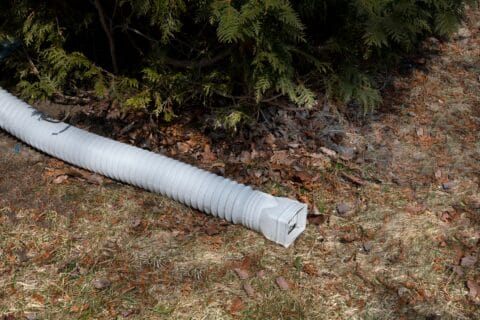
Learning how to clean downspouts is essential due to extreme seasonal shifts, from deep winter freezes to rapid spring thaws and heavy summer rains.…
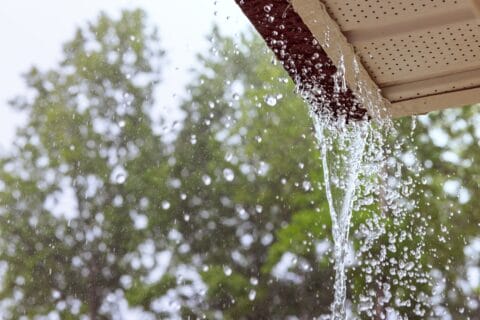
Gutter overflow during heavy rain is one of the most visible signs of drainage failure. When eavestroughs can’t handle runoff, water spills over…
