
Signs Your Gutters Are Draining More Slowly Than They Should
 Revised by Bruce Hulse
Slow-draining gutters may seem like a minor inconvenience, but they often signal deeper issues within a home’s drainage system. When water lingers instead of flowing freely, the gutters cannot direct runoff away from the roofline and foundation as intended. Over time, this can lead to pooling, overflow, staining, and even structural wear.
For homeowners, recognizing early signs of slow drainage helps prevent moisture-related damage and supports the long-term performance of the gutter system. This guide explains the symptoms to look for, the common causes behind restricted water flow, and the steps involved in assessing whether maintenance or further inspection is needed.
Key Points at a Glance
| Aspect | Why It Matters |
| Standing water | Indicates blockage or improper slope |
| Slow downspout flow | Suggests internal obstruction |
| Overflow during rainfall | Reveals insufficient drainage capacity |
| Visible debris | Points to buildup inside channels |
| Seasonal weather effects | Influence drainage speed and consistency |
| Early inspection | Helps prevent fascia or siding moisture issues |
| Downspout behavior | Provides clues about clogging or misalignment |
Why Slow Gutter Drainage Matters
A gutter system is designed to move water efficiently from the roof to the downspouts and away from the home. When drainage slows, water may begin to back up along the gutter channels, increasing the likelihood of overflow. Repeated overflow can cause stains on exterior walls, moisture exposure on fascia boards, and soil erosion near the foundation.
Over time, restricted drainage can also affect downspout performance. Downspouts must carry water away at a steady pace to prevent pooling near the home’s perimeter. If water moves through them slowly, it may indicate a partial blockage that could grow more significant as debris accumulates.
For homes located in colder climates, slow drainage may also contribute to ice buildup in winter. When left unaddressed, this can create additional weight on the gutters or encourage freeze-thaw cycles that wear down the roof edge.
Common Causes of Slow Gutter Drainage
Several mechanical and environmental factors can interfere with gutter performance. Recognizing these causes helps homeowners understand what might be affecting their system and when to consider maintenance.
1. Debris Accumulation
Debris buildup is one of the most frequent causes of slow drainage. Leaves, needles, and small branches collect over time, creating layers that block the gutter channels. Fine particles such as pollen, dust, and shingle granules can settle into the channels and mix with moisture to form dense material that restricts flow.
This type of buildup typically develops gradually, especially during seasons with heavy leaf fall. When debris forms a compact layer, water cannot pass through at its normal rate, leading to slow drainage or standing water.
2. Downspout Obstruction
Downspouts play a key role in moving water from the gutters to the ground. Even if the gutter channels are clear, a clogged downspout can cause water to back up and drain slowly. Common causes of downspout obstruction include:
- Dried leaves and needles stuck in elbows or bends
- Compact debris blocking the base
- Sediment buildup in older metal downspouts
- Nesting materials from birds or insects
Because downspout blockages are often hidden, symptoms usually appear only when water fails to exit as quickly as expected.
3. Ice Buildup in Colder Seasons
In colder regions, freezing temperatures can slow drainage significantly. Meltwater may refreeze overnight inside the gutter channel or downspout, reducing space for water to travel. When this occurs repeatedly, the weight of ice can place stress on gutter hangers and cause sections to sag.
A sagging section creates a low point where water collects, further slowing drainage even after temperatures warm. Over time, this can affect the alignment of both the gutters and downspouts.
4. Misalignment of Gutter Sections
Gutters require a slight downward slope toward the downspout to maintain proper flow. If a section shifts out of alignment due to weather, wear, or mounting issues, water may collect rather than travel the length of the gutter. Signs of misalignment include:
- Persistent standing water in specific sections
- Water moving more slowly toward one end
- Debris collecting in repeated patterns
Misalignment may also occur when gutter fasteners loosen over time, allowing sections to sag or tilt.
5. Wear and Roughness Inside Older Gutters
Older gutters may develop interior roughness due to corrosion or material wear. This creates areas where debris can cling more easily. Over time, these small points of resistance slow down water as it moves along the channel. Although less common in newer aluminum systems, this issue is more frequently seen in older metal installations.
6. Presence of Organic Material or Small Animals
Occasionally, small birds or insects may build nests inside gutters or downspouts. Even a partial obstruction can slow water movement. Organic buildup such as moss or algae can also reduce the available space for water to flow.
How to Recognize Slow Gutter Drainage
Homeowners can often detect slow drainage by observing certain patterns or symptoms. Noticing these signs early may prevent more significant maintenance issues later.
Standing Water in the Gutter Channels
Standing water is one of the clearest signs of slow drainage. Water should move steadily toward the downspout during rain or testing. If puddles form in the channels, it suggests that debris or structural alignment may be affecting flow.
Water Overflowing During Rainfall
Overflow happens when water cannot exit through the downspout quickly enough. This often appears as water spilling over the front edge of the gutter. Overflow typically indicates that the system is not draining at its intended speed.
Slow or Weak Downspout Output
When performing a water test or observing rainfall, homeowners may notice that water exits the downspout slowly or inconsistently. In some cases, the water may exit with a gurgling sound, signaling air trapped behind a blockage.
Visible Debris Along the Roofline
Debris visible from the ground, especially along the top edge of the gutter, often hints at buildup inside the channels. While small amounts of debris are normal, consistent accumulation may be a sign that interior cleaning is needed.
Water Marks or Moisture Near the Fascia
Stains or damp patches on the fascia board beneath the gutter suggest that water is backing up or overflowing. This often occurs when drainage slows and water cannot exit efficiently.
Unexpected Drips Beneath the Gutter Edge
If water appears to drip from the bottom of the gutter rather than the downspout, it may indicate that the gutter is retaining water longer than it should. Slow drainage creates conditions for small leaks or seepage.
Steps to Test Whether Your Gutters Are Draining Properly
A simple test can help determine whether drainage speed is within normal range. This test does not replace professional maintenance but can provide useful insight into the system’s condition.
Before performing any inspection or test, ensure ladder placement is stable and that conditions are safe.
Water Flow Testing Steps
To assess drainage performance:
- Run a low, steady stream of water from a garden hose at the end opposite the downspout.
- Observe how quickly water moves through the channel. Ideally, it should travel smoothly and consistently.
- Check the downspout output. Healthy drainage produces a steady, uninterrupted flow.
- Watch for slow movement or water pooling near the starting point.
- Listen for gurgling or sputtering sounds that might indicate a partial blockage.
- Inspect for any sagging sections or areas where water slows noticeably.
These simple observations help identify whether cleaning, slope adjustments, or downspout clearing may be necessary.
Testing Outcome Reference
| Observation | What It Suggests |
| Fast, consistent flow | No significant blockage |
| Slow or uneven flow | Debris or alignment concerns |
| Minimal or no output | Downspout obstruction |
| Standing water | Possible sagging or improper slope |
This table helps translate test results into practical next steps.
Environmental Factors That Influence Drainage Speed
Seasonal changes can affect how quickly gutters drain. Rainfall intensity, leaf fall, wind patterns, and temperature variations all play roles in drainage performance.
Leaf and Needle Shedding
Homes surrounded by mature trees are more likely to experience slow drainage during autumn or windy periods. Leaves, needles, and seed pods can gather quickly, even after recent cleaning.
Weather and Freezing Conditions
Rapid temperature shifts can slow drainage, particularly in climates where daytime melting and nighttime freezing occur. These conditions can encourage ice formation in gutters that have limited space for water to travel.
Storm Intensity
Heavy rain can overwhelm a gutter system that is already partially obstructed. Slow drainage becomes more noticeable during intense storms and may reveal early signs of blockage.
When a Professional Inspection May Be Helpful
While homeowners can perform basic checks, certain situations benefit from a professional evaluation. Professional technicians use equipment designed to reach difficult areas and assess the full drainage system.
A professional inspection may be helpful when:
- Slow drainage occurs repeatedly after cleaning
- Water marks appear consistently along the fascia
- Downspouts remain clogged despite flushing attempts
- Gutter sections show signs of sagging or misalignment
- Ice buildup causes recurrent drainage problems
Professionals can identify issues that may not be immediately visible, such as internal downspout obstructions or subtle slope inconsistencies.
Why Addressing Slow Drainage Promptly Matters
Allowing slow drainage to persist may lead to:
- Increased wear on gutter channels
- Moisture exposure on exterior walls
- Foundation pooling during heavy rainfall
- Fascia deterioration over time
- Greater likelihood of ice-related stress in colder seasons
Taking early action helps maintain the longevity of both the gutter system and the surrounding exterior components.
Conclusion: Supporting Healthy Gutter Performance
Slow-draining gutters often indicate debris buildup, alignment issues, or downspout obstructions. By recognizing early signs such as standing water, slow downspout output, or overflow during rainfall, homeowners can determine when maintenance or inspection is needed. Addressing drainage problems promptly helps preserve the gutter system and protect exterior surfaces from moisture exposure. For homeowners who prefer additional support, Clear Ottawa Windows offers gutter maintenance services that help keep drainage systems functioning effectively throughout the year.
Bruce Adam Hulse


Bruce Adam Hulse is the passionate and driven CEO of Clear Ottawa Windows, a leading exterior cleaning and gutter maintenance company serving residential and commercial clients throughout the Ottawa region.
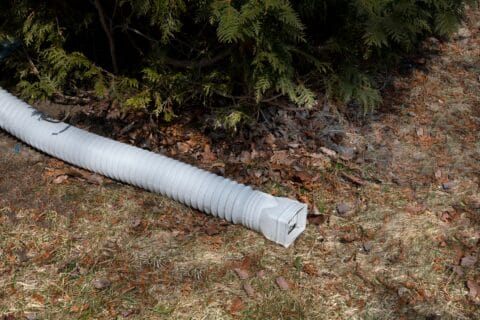
Learning how to clean downspouts is essential due to extreme seasonal shifts, from deep winter freezes to rapid spring thaws and heavy summer rains.…
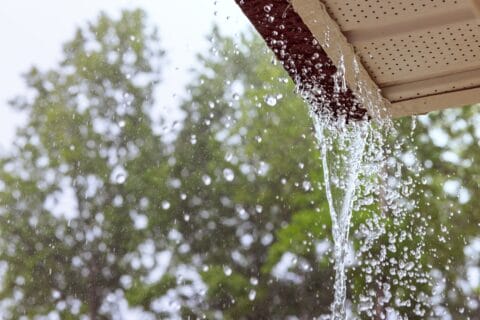
Gutter overflow during heavy rain is one of the most visible signs of drainage failure. When eavestroughs can’t handle runoff, water spills over…
