
How to Stop Trees From Clogging Gutters: Proven Solutions That Work
 Revised by Bruce Hulse
Smart, Long-Term Solutions to Keep Gutters Clear
Falling leaves, twigs, pine needles, and seed pods may seem harmless, but when they accumulate in your gutters, they can cause extensive damage. Water that can’t drain properly leads to roof leaks, ice damming, foundation cracks, and even interior flooding. If your home is surrounded by trees, especially in areas with defined seasons like Ottawa, clogged gutters are a recurring problem. The best way to stop trees from clogging gutters is a proactive combination of routine maintenance and strategic upgrades. Let’s break down what works and how to get lasting results.
Why Overhanging Trees Create Persistent Gutter Problems
Gutter systems are designed to channel water away from your roof and foundation. When blocked by material falling from nearby trees, this function is compromised. Most homeowners underestimate the impact until major issues arise. Branches that hang too close to the roofline not only drop organic matter directly into the system but can also scrape shingles during storms or heavy winds. Addressing this isn’t just about removing leaves, it’s about setting up a system that makes clogging less likely in the first place.
A Layered Prevention Strategy Brings Lasting Results
Professional gutter experts often recommend a layered approach. This includes trimming overhanging branches, installing gutter guards, and scheduling seasonal cleanings. By making a few strategic adjustments, you can significantly reduce debris buildup and extend the life of your drainage system.
Why Leaves, Needles, and Seeds Cause Serious Gutter Issues
Every fall, deciduous trees shed thousands of leaves. Add to that pollen, seeds, and small branches, and you have a natural but highly damaging combination. Once the debris collects in gutters, it creates blockages that prevent water from flowing through downspouts. This leads to water backing up onto the roof or spilling over the edges, soaking your siding, windows, and foundation.
The frequency of the issue depends on the tree species near your home. For example, oak trees drop large leaves that create thick mats in the gutter. Pine trees shed fine, narrow debris that can easily slip through basic screens. Cottonwood and elm trees release fluffy seeds that form sludge over time. Each type of tree creates a unique kind of problem, but all contribute to gutter inefficiency.
Table 1: Common Types of Debris That Clog Gutters
| Type | Source Trees | Typical Effect |
| Large Leaves | Oak, Maple, Birch | Clogs downspouts quickly |
| Fine evergreen debris | Evergreen trees | Slips through wide mesh guards |
| Seed Pods | Elm, Cottonwood, Poplar | Causes buildup and clogs |
| Small Branches | Ash, Cedar | Damages gutters and brackets |
Effective gutter protection starts with selecting systems designed for the specific debris around your home.
Choosing the Right Gutter Guard System
Not all gutter guards are built equally. Different types are designed to handle specific debris conditions and tree coverage. Some are better suited for light leaf fall, while others are designed to block fine particles such as pollen and other narrow organic debris. Homeowners often install basic plastic guards, only to find that material still builds up on top or slips through the gaps.
More advanced systems such as micro-mesh guards are proven to offer better protection, especially in wooded neighborhoods. These guards sit on top of the gutter and feature ultra-fine screens that block even the smallest particles. However, even the best system needs occasional maintenance.
Table 2: Gutter Guard Comparison for Leaf and Debris Protection
| Gutter Guard Type | Best For | Pros | Maintenance Level |
| Micro-Mesh | Leaves, fine evergreen debris, and pollen | High filtration, low buildup | Low |
| Foam Inserts | Leaves, small twigs | Easy to install | Medium |
| Reverse Curve | Larger leaves, heavy rain | Self-cleaning design | Low |
| Brush Guards | Light leaf fall | Inexpensive | High |
Choosing the right guard for your landscape helps limit debris accumulation and reduces ongoing maintenance.
Simple Prevention Starts With Tree Maintenance
Before investing in hardware, take a look at your yard. Overhanging branches are often the primary source of material entering the drainage system. Trimming back limbs at least 2–3 feet from the roof edge reduces leaf drop and limits physical damage during storms. Vegetation planted too close to the home can also pose a structural risk during high winds or ice events.
Another often overlooked solution is thoughtful landscaping planning. Avoid placing high-shedding species such as silver maple or cottonwood too close to the structure. Native, low-maintenance plantings are often better options for reducing seasonal buildup without sacrificing shade or visual appeal.
Quick Prevention Tips:
- Trim tree branches to maintain proper clearance from the roofline and drainage system.
- Clear out tree stumps or young saplings growing too close to the foundation.
Consistent upkeep helps control debris at the source and reduces dependence on gutter protection systems.
Seasonal Gutter Cleaning Matters
Even with the best gutter guards, occasional buildup is inevitable. This is why professional service remains necessary, especially after fall or strong windstorms. For homes in high-debris areas, a fall and spring cleaning schedule is ideal. This not only prevents clogging but also helps identify potential damage early.
Professional technicians inspect for cracks, detached joints, and other issues while clearing out compacted debris. Services like Clear Ottawa’s gutter cleaning also include downspout flushing, ensuring the entire system flows freely. Left unaddressed, recurring blockages can accelerate wear on the drainage system and lead to costly repair needs over time.
Skipping seasonal cleaning may seem harmless, but over time it leads to more costly problems. Ice dams, rotted fascia boards, and even interior water intrusion can all result from poorly maintained drainage systems.
Year-Round Challenges for Tree-Covered Homes
Homes located in heavily treed areas face challenges throughout the entire year, not just during fall. In spring, pollen and early seed release begin accumulating sooner than many homeowners expect. Summer storms often deposit broken twigs and organic matter onto roofs, while winter introduces freeze-thaw cycles that worsen existing blockages. This constant exposure means prevention must be ongoing and adjusted to seasonal conditions rather than treated as a one-time task.
How Climate Impacts Drainage Systems
Climate plays a major role in how quickly buildup becomes problematic. In regions like Ottawa, rapid temperature fluctuations cause trapped moisture inside drainage systems to freeze and expand overnight. This repeated cycle stresses joints, fasteners, and brackets, increasing the risk of sagging or separation over time. Regular inspection helps identify early wear before structural damage occurs.
Structural Design and Water Flow Patterns
Structural design directly affects how material moves toward the drainage system. Steeper slopes shed organic matter more efficiently, while low-slope surfaces allow leaves and particles to linger longer before washing into channels. Valley areas are especially vulnerable, as they concentrate runoff into a single path. Without proper protection, these zones can overwhelm even well-maintained systems.
The Importance of Clear Downspouts
Downspouts are often overlooked but are critical to overall performance. A blockage near the base can cause water to back up through the entire system, leading to overflow in unexpected areas. Extensions that discharge too close to the foundation further increase moisture exposure. Maintaining clear, properly directed flow paths is essential for protecting basement walls and soil stability.
Wildlife and Organic Buildup
Wildlife activity can accelerate accumulation inside drainage systems. Birds, squirrels, and insects are attracted to sheltered areas filled with organic material. Once nesting begins, airflow and drainage are further restricted, making removal more difficult. Early intervention helps limit secondary issues that extend beyond routine maintenance.
Interior Warning Signs Homeowners Often Miss
Not all warning signs appear outside the home. Unexplained dampness in basements, peeling paint near roof edges, or musty odors can signal drainage problems above. These subtle indicators often surface before visible exterior damage, making regular checks especially important for early detection.
Why Professional Assessment Makes a Difference
While do-it-yourself solutions may offer short-term relief, they often miss hidden trouble spots. Improper installation of guards or incomplete clearing can leave critical areas untreated. Professional services provide the experience needed to identify weak points, assess system compatibility, and ensure preventative measures work together effectively.
Long-Term Protection Through Proactive Planning
Managing the impact of nearby trees requires understanding how natural materials interact with your home’s design. With thoughtful planning, consistent upkeep, and appropriate protective measures, homeowners can reduce stress on their drainage systems and extend their lifespan. Proactive care not only preserves performance but also safeguards the long-term value and safety of the property.
How to Know If Trees Are Already Affecting Your Gutters
It’s not always obvious that your gutters are blocked until the damage is visible. Overflowing water during rain, staining on exterior walls, and sagging gutter sections are all signs of hidden clogs. If you notice birds nesting or vegetation taking root in your gutters, the buildup has already reached severe levels.
Being proactive means looking for early signs of trouble:
- Water spilling over edges even in moderate rain
- Downspouts draining slowly or not at all
- Visible plant growth or black sludge near the gutter edge
If any of these appear, it’s time to schedule a professional gutter cleaning services and inspect the tree coverage around your home.
A Systematic Plan to Prevent Gutter Blockages
The goal isn’t just to clean gutters, it’s to prevent them from clogging again. That’s why a complete prevention plan includes:
- Tree management – Regular pruning and smart placement of trees in your landscape.
- Upgraded protection – Installing guards matched to the specific debris produced by nearby trees.
- Seasonal cleaning – Partnering with professionals to remove buildup that guards can’t fully block.
When combined, these three tactics create a low-maintenance system that keeps gutters clear over the long term. Homes surrounded by trees may never be completely debris-free, but the impact can be controlled with the right setup.
Protect Your Home by Staying Ahead of the Debris
Your home’s drainage system is one of its most important defenses against water damage. Letting it get clogged by leaves and twigs compromises more than just the gutters, it threatens the roof, walls, and foundation. As the seasons change, don’t wait for a clog to appear before taking action. Whether it’s through expert pruning, installing the right gutter guards, or booking a professional cleaning, proactive prevention is key to protecting your home before problems start.
Bruce Adam Hulse


Bruce Adam Hulse is the passionate and driven CEO of Clear Ottawa Windows, a leading exterior cleaning and gutter maintenance company serving residential and commercial clients throughout the Ottawa region.
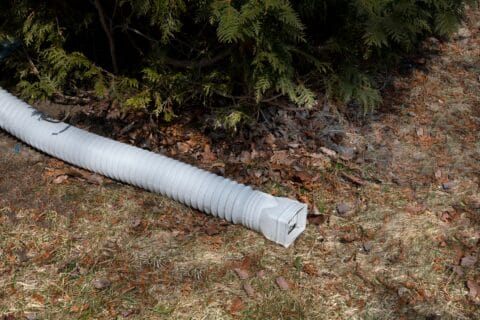
Learning how to clean downspouts is essential due to extreme seasonal shifts, from deep winter freezes to rapid spring thaws and heavy summer rains.…
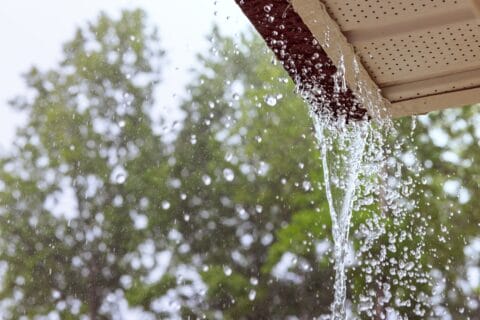
Gutter overflow during heavy rain is one of the most visible signs of drainage failure. When eavestroughs can’t handle runoff, water spills over…
