
Black Streaks on Roof: Causes, Risks and Removal Methods
 Revised by Bruce Hulse
Understanding Black Streaks on Roof
Why Homeowners Notice Black Streaks
Homeowners searching for black streaks on roof are usually trying to determine whether the dark vertical lines spreading across their shingles are simply cosmetic or a sign of deeper structural deterioration. These streaks typically appear as elongated dark marks or black stains running downward along the slope of the roof, often forming unsightly streaks that affect overall appearance. Unlike general aging or surface dirt, they follow consistent drainage patterns and become more pronounced over time. Their presence is commonly linked to biological growth and prolonged moisture exposure, both of which can affect the long term durability of roofing materials. Over time, these dark lines can make an otherwise well maintained home appear neglected, even when the underlying structure remains intact.
These streaks are especially visible on a shingle roof with lighter asphalt shingles and often develop gradually rather than suddenly. After rainfall, the contrast tends to intensify because moisture activates the pigmentation associated with developing black streaks. What may initially look like a minor aesthetic issue can signal environmental conditions that encourage material breakdown.
The Role of Algae in Black Streak Formation
The primary cause of black streak formation is Gloeocapsa magma, a type of cyanobacteria commonly referred to as blue-green algae. Black streaks are the visible surface effect, while the algae itself is the underlying biological cause responsible for the dark pigmentation. This airborne organism feeds on the limestone filler found in many asphalt shingles. Once spores settle on a roof, they multiply in humid conditions and begin forming colonies. As rainwater flows downward, it carries dark pigmentation from these colonies, creating the characteristic vertical streak pattern. In many cases, algae commonly cause streaking because the organism develops a dark protective outer layer that resists ultraviolet exposure.
Exterior maintenance specialists at Clear Ottawa Windows frequently document how early stage streak progression develops gradually before homeowners recognize the long term implications.
Shaded roof sections are particularly vulnerable because limited sunlight slows evaporation. When moisture lingers for extended periods, surface streaking accelerates. In prolonged damp conditions, black streaks may spread beyond the initial affected area as biological activity continues beneath the surface. Over time, black streaks become more visible and widespread, especially in climates with consistent humidity and seasonal rainfall.
Moisture Retention and Organic Growth
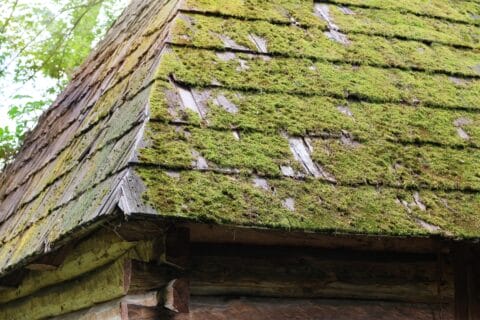
Beyond algae, moss and fungal organisms can intensify the appearance of black streaks. Moss traps water directly against shingles, preventing proper drying and increasing surface saturation. This persistent dampness accelerates granule wear and weakens protective coatings.
Poor drainage systems, clogged gutters, and inadequate attic ventilation all contribute to moisture retention. When roofing materials remain damp, biological growth continues expanding. Addressing airflow and drainage issues plays a critical role in preventing recurrence on shingle roofs.
Definition and Common Characteristics
Black streaking presents distinct visual characteristics that separate it from general roof staining:
- Long dark lines running vertically along shingles
- Strong contrast against lighter roofing materials
- Greater concentration on shaded sections
- Gradual spreading rather than sudden appearance
These streaks act as early surface indicators of environmental stress. Technically, their presence often reflects excessive moisture exposure combined with biological colonization. Routine inspections of shingles, flashing, and roof valleys allow early detection before deterioration progresses deeper into the roofing system.
As shingles age, protective granules loosen naturally. When algae growth occurs simultaneously, the contrast becomes more visible. Granule loss reduces ultraviolet protection, increasing vulnerability to heat and weather fluctuations.
What Causes These Dark Roof Streaks
Biological Growth as the Primary Driver
Algae spores travel through the air and attach to roofing materials. When humidity remains high, colonies multiply quickly. Warm temperatures combined with moisture create ideal conditions for sustained growth.
Moss and fungal organisms may develop in areas where organic debris accumulates. These growth patterns amplify the dark appearance of streaks and contribute to moisture retention.
Research in roofing maintenance confirms that climates with frequent rainfall experience higher rates of algae related streaking. Without preventative measures, colonies continue expanding year after year.
Accumulation of Debris and Pollution
Leaves, dust, pollen, and airborne pollutants settle on roof surfaces. When combined with moisture, these materials create conditions that accelerate black streak formation. Urban properties often experience more visible streaking due to higher concentrations of airborne particles. Even minimal debris accumulation slows evaporation. Prolonged surface dampness accelerates biological colonization and dark streak formation.
Material Degradation and Wear
Aging shingles become more porous and less resistant to environmental stress. Protective coatings gradually thin due to ultraviolet exposure and thermal expansion cycles. As surfaces weaken, the organisms responsible for black streaks adhere more easily and streaks become darker.
When granules detach, lighter substrate areas may appear beneath dark streaking, signaling both biological growth and material fatigue.
Risks and Implications of Ignoring Black Streaks
Visible streaks, often mistaken for harmless surface stains, may indicate underlying moisture exposure and structural risks.
Structural Health and Integrity
Repeated saturation weakens shingles and may allow water penetration beneath the surface. Underlayment and decking can absorb moisture, increasing the likelihood of leaks and wood rot.
Industry data indicates that early cleaning and moisture management significantly reduce the probability of structural repair. Addressing streaking promptly helps preserve roofing lifespan.
Health and Environmental Impact
Persistent moisture may encourage mold development within attic spaces. Mold spores can circulate through ventilation systems and impact indoor air quality. Wet insulation also loses thermal efficiency, forcing heating and cooling systems to operate longer. This increases energy consumption and operational costs over time.
Removal and Prevention Methods
Eliminating black streaks requires a balance between effective roof cleaning and material preservation. Aggressive pressure washing may remove visible stains but can strip protective granules and shorten roof lifespan.
Effective Cleaning Treatment for Algae Streaks
Recommended cleaning steps include:
- Protecting surrounding landscaping and surfaces
- Applying a roof specific cleaning solution
- Using controlled low pressure rinsing systems
- Ensuring complete neutralization of biological growth
Soft washing techniques rely on specialized cleaning solutions applied at controlled low pressure, a method commonly used within professional exterior cleaning services soft washing sanitization protocols to neutralize algae without damaging roofing materials.
According to field observations from the technical team at Clear Ottawa Windows, controlled low pressure application significantly reduces the risk of granule displacement compared to aggressive surface cleaning methods.
Long Term Maintenance Strategies
Preventing recurrence requires consistent roof maintenance. Biannual inspections and routine roof cleaning help detect early streak development before it spreads extensively. Gutter cleaning ensures proper drainage and reduces standing moisture along roof edges. Trimming overhanging branches increases sunlight exposure and airflow, accelerating natural drying.
Installing zinc or copper strips near the ridge line can further inhibit algae growth. During rainfall, trace elements wash down the roof surface and create conditions less favorable for colonization. Balanced attic ventilation also stabilizes humidity levels and reduces condensation beneath shingles.
Professional Assistance vs DIY Approaches
Homeowners may consider independent cleaning methods, but improper technique can accelerate deterioration. Without accurate pressure control and chemical dilution, shingles may suffer premature granule loss. Working at height also presents safety concerns.
Professional technicians combine safety training with material specific expertise. They assess roof condition before treatment and adjust cleaning methods accordingly. This ensures effective streak removal while preserving structural integrity.
Comparison of Roof Cleaning Methods
| Method | Effectiveness | Surface Protection | Maintenance Frequency |
| Soft Washing | High | Excellent | Semi annual or as needed |
| Pressure Washing | Moderate | Low | Annual |
| Manual Scrubbing | Low | Moderate | As needed |
| Professional Maintenance Plan | Very High | Excellent | Annual inspection with treatment |
Selecting the appropriate method depends on roof age, material type, and severity of streaking.
Conclusion
Black streaks develop primarily due to algae growth fueled by moisture retention and environmental accumulation. While often perceived as a cosmetic issue, these streaks indicate conditions that may compromise roofing materials over time. Through regular inspection, proper drainage management, and gentle cleaning techniques, property owners can extend roof lifespan and preserve structural integrity. Proactive maintenance protects curb appeal, energy efficiency, and long term property value. Because streak formation is progressive rather than sudden, early identification remains the most effective way to preserve both material performance and overall roof lifespan.
Bruce Adam Hulse


Bruce Adam Hulse is the passionate and driven CEO of Clear Ottawa Windows, a leading exterior cleaning and gutter maintenance company serving residential and commercial clients throughout the Ottawa region.
Moss and algae on roof surfaces are often perceived as minor cosmetic issues. In reality, their presence usually signals prolonged moisture exposure…
A roof drip edge is a small yet essential component that protects the edges of a roof from water infiltration. When installed correctly, it directs…
