
Best Technique for Cleaning Floor-to-Ceiling Windows
 Revised by Bruce Hulse
Floor-to-ceiling windows bring natural light, modern aesthetics, and expansive views into a space. However, their size and visibility also make cleaning more demanding. Even small streaks or smudges become highly noticeable across large glass surfaces. To maintain clarity and consistency, it is essential to use the right techniques, tools, and approach.
This guide explains the most effective way to clean floor-to-ceiling windows while ensuring safety, efficiency, and streak-free results.
Understanding the Challenges of Floor-to-Ceiling Windows
Floor-to-ceiling windows differ from standard windows due to their height and continuous surface. These characteristics make it harder to maintain even cleaning pressure and consistent drying.
Additionally, because these windows are often a focal point in a space, any imperfection becomes immediately visible.
Key challenges
Several factors make these windows more complex to clean:
- Large uninterrupted glass surfaces
- Increased visibility of streaks and smudges
- Difficulty reaching upper sections safely
- Faster drying in certain lighting conditions
Addressing these challenges requires a more structured approach.
Choosing the Right Tools
Using appropriate tools is essential for achieving a clean and uniform finish. Standard household equipment is often insufficient for such large surfaces.
Professional-grade tools allow for better reach, control, and efficiency.
Recommended tools
The following tools are particularly effective:
- A high-quality squeegee with a wide blade
- Extension poles for reaching upper sections
- Microfiber cloths for detailing and drying
- A bucket with clean water or solution
- Lint-free cloths for finishing touches
These tools help ensure both efficiency and precision.
The Section-by-Section Cleaning Method
Cleaning the entire surface at once often leads to uneven results. Dividing the window into manageable sections allows for better control and consistency.
This method ensures that each part is cleaned and dried properly before moving on.
Step-by-step section method
A structured process improves overall results:
- Divide the window vertically into sections
- Start at the top of each section
- Apply cleaning solution evenly
- Use a squeegee in long, controlled strokes
- Wipe the blade between each pass
- Dry edges immediately before moving on
Working systematically helps prevent streaks and missed areas.
Mastering the Squeegee Technique
The squeegee is the most effective tool for cleaning large vertical glass surfaces. However, proper technique is essential to avoid streaks.
Consistent pressure and smooth movements are key to achieving a uniform finish.
Best practices for squeegee use
Refined technique improves both speed and results:
- Use straight or slightly angled strokes
- Maintain even pressure across the blade
- Overlap each pass slightly
- Clean the blade regularly to avoid residue transfer
- Avoid stopping mid-stroke
These habits ensure a clean and professional finish.
Managing Edges and Finishing Details
Edges and corners are often where streaks and drips occur. These areas require special attention to maintain a consistent appearance across the entire window.
Detailing is what separates average results from high-quality finishes.
Finishing techniques
Careful detailing improves clarity:
- Use a dry microfiber cloth for edges
- Remove excess water immediately
- Inspect for drips or missed spots
- Perform a light final polish if needed
These steps ensure that no imperfections remain.
Water Quality and Its Impact
Water quality plays a significant role in the final result. Minerals present in tap water can leave visible marks once the glass dries.
Using purified or distilled water helps eliminate this issue and improves overall clarity.
Benefits of better water quality
Cleaner water leads to better outcomes:
- Reduces streaking and spotting
- Enhances transparency
- Minimizes the need for polishing
- Improves consistency across large surfaces
This is especially important for floor-to-ceiling windows due to their visibility.
Environmental Considerations
Environmental conditions can affect how quickly cleaning solutions dry and how easy it is to maintain control during the process.
Adapting to these conditions improves efficiency and reduces the risk of streaks.
Ideal cleaning conditions
Choosing the right moment makes a difference:
- Avoid direct sunlight on the glass
- Clean during cooler parts of the day
- Work in shaded areas when possible
- Minimize exposure to strong airflow
These factors help maintain consistency throughout the process.
Comparison: Floor-to-Ceiling vs Standard Windows
Understanding how these windows differ helps highlight the need for specialized techniques.
| Criteria | Floor-to-Ceiling Windows | Standard Windows |
| Surface size | Very large | Smaller |
| Visibility of streaks | High | Moderate |
| Cleaning difficulty | Higher | Lower |
| Equipment required | Advanced | Basic |
This comparison shows why a more structured approach is necessary.
Clear Ottawa Windows: Professional Floor-to-Ceiling Window Cleaning in Ottawa
Clear Ottawa Windows provides professional window and eavestrough cleaning services tailored to large and high-visibility glass surfaces such as floor-to-ceiling windows. Their team uses specialized tools, structured techniques, and efficient workflows to ensure consistent, streak-free results.
With trained, insured, and fully equipped technicians, they handle both residential and commercial projects with attention to detail and safety. Their approach ensures that even the most demanding window surfaces are cleaned effectively and reliably.
For those seeking professional results without the complexity, it is possible to contact their team to manage floor-to-ceiling window cleaning with confidence.
Conclusion
Cleaning floor-to-ceiling windows requires a combination of proper tools, structured methods, and attention to detail. By working in sections, mastering squeegee techniques, and managing drying carefully, it is possible to achieve clear and uniform results.
Given the size and visibility of these surfaces, maintaining consistency can be challenging. For those who prefer a reliable and efficient solution, professional services offer a practical way to ensure optimal results.
Bruce Adam Hulse


Bruce Adam Hulse is the passionate and driven CEO of Clear Ottawa Windows, a leading exterior cleaning and gutter maintenance company serving residential and commercial clients throughout the Ottawa region.
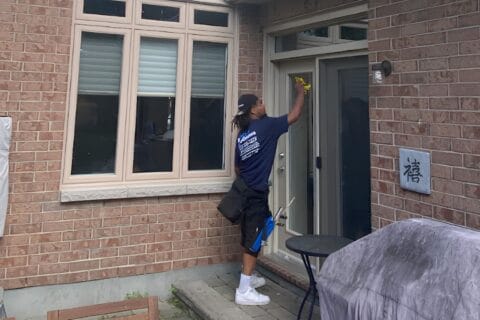
TL;DR: Rockcliffe Park is a National Historic Site full of heritage homes with original, irreplaceable glass. That glass needs a cleaner who…
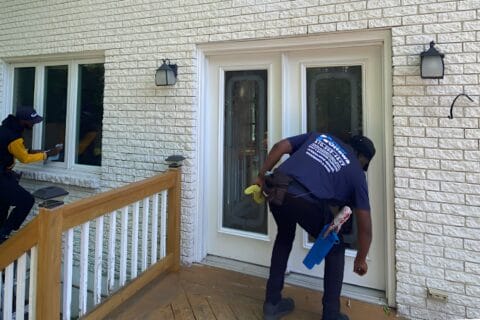
What Is the Best Window Cleaning Service in Hunt Club?
Read enough window cleaning reviews in Ottawa and the same story keeps coming up. The…