
How Professionals Clean Windows Faster Than Homeowners
 Revised by Bruce Hulse
Cleaning windows efficiently without compromising quality is a skill developed through experience, proper tools, and structured techniques. While homeowners often take a more casual or time-consuming approach, professionals follow optimized processes that allow them to complete the same tasks significantly faster.
Their methods are not based on shortcuts, but on precision, organization, and consistency. Every step is intentional, and each movement is designed to maximize efficiency while maintaining a high standard of results.
Understanding how professionals work can help improve personal cleaning routines or clarify the value of hiring experienced technicians. This article explores the key differences that explain why professionals achieve faster and more reliable results.
The Importance of Structured Workflow
One of the main differences between professionals and homeowners is the presence of a clear and repeatable workflow. Professionals do not approach each window randomly; they follow a defined sequence that ensures consistency and speed.
This structured approach eliminates unnecessary steps and reduces the chances of missing areas or needing to redo sections. It also helps maintain a steady pace, which is essential for completing tasks efficiently.
Typical professional workflow
A well-organized process allows for faster execution and minimizes wasted effort.
- Start with a quick inspection of all windows
This step helps identify problem areas, assess dirt levels, and plan the most efficient cleaning order before beginning. - Remove dust and debris before applying any liquid
Pre-cleaning prevents dirt from turning into mud when mixed with water, making the cleaning process more effective. - Clean windows in a consistent order, such as top to bottom
Working in a logical sequence prevents drips and ensures that no areas are missed. - Use efficient tools to remove water in a single pass
This reduces the need for repeated cleaning and improves overall speed. - Immediately handle edges and finishing touches
Addressing details right away prevents streaks from forming later. - Move systematically from one section to the next
Maintaining a structured progression keeps the workflow smooth and uninterrupted.
By following this type of routine, professionals maintain momentum and avoid unnecessary delays.
Use of Specialized Equipment
Another major factor that increases speed is the use of professional-grade equipment. Homeowners often rely on basic tools that require more effort and time to achieve similar results.
Professionals invest in tools designed specifically for efficiency and performance. These tools are engineered to reduce effort while improving cleaning precision.
Common tools used by professionals
These tools are selected to maximize speed without sacrificing quality.
- High-quality squeegees with durable rubber blades
These allow for smooth and consistent water removal, reducing streaks and improving efficiency. - Extension poles for reaching high windows safely
These eliminate the need for constant repositioning and allow faster access to elevated surfaces. - Large-capacity buckets for fewer interruptions
Larger containers reduce the need to refill frequently, saving time during the process. - Microfiber cloths for quick detailing
These are highly effective for finishing work and removing any remaining moisture. - Water-fed pole systems for exterior cleaning
These systems allow continuous cleaning from the ground, improving both speed and safety.
Each tool serves a specific purpose and reduces the time required for each step.
Mastery of Technique
Speed is not just about tools; it also depends on how they are used. Professionals develop precise movements that allow them to clean quickly while maintaining a streak-free finish.
Over time, these techniques become second nature, allowing for fluid and efficient motion across surfaces. This reduces unnecessary effort and improves consistency.
Key techniques that improve speed
Refined movements make a significant difference in performance.
- Using smooth, continuous squeegee strokes
Consistent motion ensures even water removal and reduces streaking. - Maintaining consistent pressure across the glass
Balanced pressure prevents uneven cleaning and improves results. - Wiping tools efficiently between passes
Keeping tools clean avoids transferring dirt back onto the glass. - Avoiding overuse of cleaning solution
Using the right amount prevents residue and speeds up drying. - Working in sections to maintain control
Dividing the surface into sections improves accuracy and efficiency.
These habits reduce errors and eliminate the need for corrections.
Reducing Rework and Mistakes
Homeowners often spend extra time correcting streaks, missed spots, or uneven drying. Professionals avoid this by focusing on accuracy from the start.
Doing the job correctly on the first pass is one of the main reasons professionals work faster overall. This reduces wasted effort and improves efficiency.
How professionals minimize rework
Preventing mistakes saves considerable time and improves final results.
- Using clean tools to avoid transferring dirt
Clean equipment ensures that no additional residue is introduced during cleaning. - Applying the right amount of solution
Proper application prevents excess moisture and streak formation. - Inspecting work continuously during cleaning
Ongoing inspection allows immediate correction of any issues. - Addressing edges and corners immediately
This prevents moisture buildup that can cause streaks later. - Adjusting technique based on surface conditions
Flexibility ensures better results across different types of glass and dirt levels.
This proactive approach eliminates the need for repeated cleaning.
Efficient Handling of Large Surfaces
Large windows can be particularly time-consuming for homeowners. Professionals, however, are trained to handle these surfaces efficiently using methods that maintain speed and consistency.
They divide large areas into manageable sections and apply uniform techniques throughout. This approach prevents fatigue and maintains consistent results.
Strategies for large windows
Breaking down the task improves efficiency and control.
- Cleaning one section at a time
This ensures focus and prevents missed areas. - Using long, controlled squeegee strokes
Longer strokes reduce the number of passes required. - Maintaining a steady rhythm
Consistency in movement improves speed and accuracy. - Positioning tools for easy access
Proper setup reduces unnecessary movement. - Avoiding unnecessary repositioning
Minimizing movement saves time and energy.
These strategies help maintain speed without sacrificing quality.
Time Management and Preparation
Preparation is often overlooked, but it plays a critical role in overall efficiency. Professionals ensure that everything is ready before starting, which prevents delays during the process.
A well-prepared setup allows for uninterrupted work and smoother execution.
Key preparation steps
Being prepared allows for faster and more efficient work.
- Gathering all necessary tools in advance
This prevents interruptions once cleaning begins. - Preparing cleaning solutions beforehand
Having solutions ready saves time and maintains workflow. - Planning the order of operations
A clear plan improves efficiency and reduces backtracking. - Ensuring safe and stable access to windows
Proper setup improves both safety and speed. - Checking weather conditions for optimal timing
Environmental awareness helps prevent delays and streaking.
This level of organization contributes directly to faster completion.
Safety and Confidence at Height
Working on elevated surfaces can slow down inexperienced individuals due to hesitation or uncertainty. Professionals are trained to operate safely and confidently at height, which allows them to maintain their pace.
Confidence comes from training, experience, and the use of proper equipment.
Safety practices that support speed
Proper safety measures improve both efficiency and confidence.
- Using stable ladders or extension systems
Reliable equipment ensures safe and steady work. - Following safe positioning techniques
Proper positioning reduces risk and improves control. - Wearing appropriate safety gear
Protective equipment enhances safety and focus. - Maintaining awareness of surroundings
Awareness prevents accidents and interruptions. - Using tools designed for elevated work
Specialized tools improve both safety and efficiency.
These measures allow professionals to work quickly without compromising safety.
Comparison: Professionals vs Homeowners
The differences between professional and homeowner approaches can be summarized clearly. The table below highlights the main distinctions that impact speed and efficiency.
| Aspect | Professionals | Homeowners |
|---|---|---|
| Workflow | Structured and consistent | Often unorganized |
| Tools | Specialized and efficient | Basic and limited |
| Technique | Refined and practiced | Variable |
| Speed | Fast and controlled | Slower and inconsistent |
| Rework | Minimal | Frequent |
This comparison illustrates why professionals are able to complete tasks more efficiently while maintaining high-quality results.
Clear Ottawa Windows: Efficient and Reliable Window Cleaning in Ottawa
Clear Ottawa Windows provides professional window and eavestrough cleaning services designed to deliver fast, consistent, and high-quality results. Their experienced team uses structured workflows, advanced tools, and proven techniques to complete projects efficiently while maintaining excellent clarity.
Their approach focuses on precision and consistency, ensuring that each surface is cleaned properly the first time. With trained and insured technicians, they are equipped to handle both residential and commercial projects with confidence.
For those looking to save time and achieve reliable results, working with experienced professionals provides a practical and efficient solution.
Conclusion
The speed at which professionals clean windows is not the result of rushing, but of preparation, experience, and methodical execution. By using specialized tools, mastering efficient techniques, and following structured workflows, they achieve faster and more consistent results than most homeowners.
Adopting some of these practices can improve personal cleaning routines. However, for optimal efficiency and dependable results, professional services remain a practical solution.
Bruce Adam Hulse


Bruce Adam Hulse is the passionate and driven CEO of Clear Ottawa Windows, a leading exterior cleaning and gutter maintenance company serving residential and commercial clients throughout the Ottawa region.
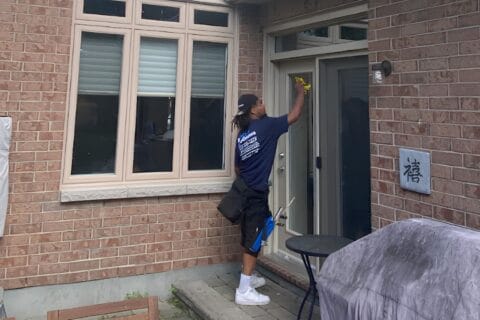
TL;DR: Rockcliffe Park is a National Historic Site full of heritage homes with original, irreplaceable glass. That glass needs a cleaner who…
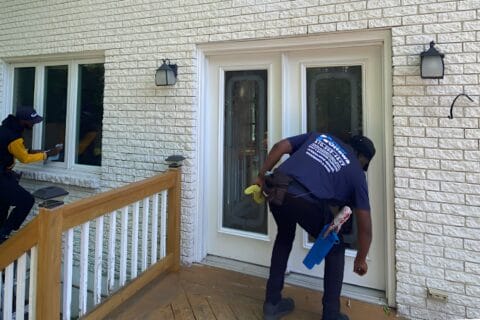
What Is the Best Window Cleaning Service in Hunt Club?
Read enough window cleaning reviews in Ottawa and the same story keeps coming up. The…